Iberian Peninsula Solar Battery Storage 2026: Spain & Portugal Complete Guide
With electricity prices across the Iberian Peninsula remaining among the most volatile in Europe, homeowners and installers in Spain and Portugal are increasingly turning to solar battery storage as the definitive solution for energy independence. In 2026, both countries offer distinct subsidy frameworks, evolving tariff structures, and rapidly maturing installation markets — but the window to maximise financial returns is narrowing as net metering schemes are progressively reformed.
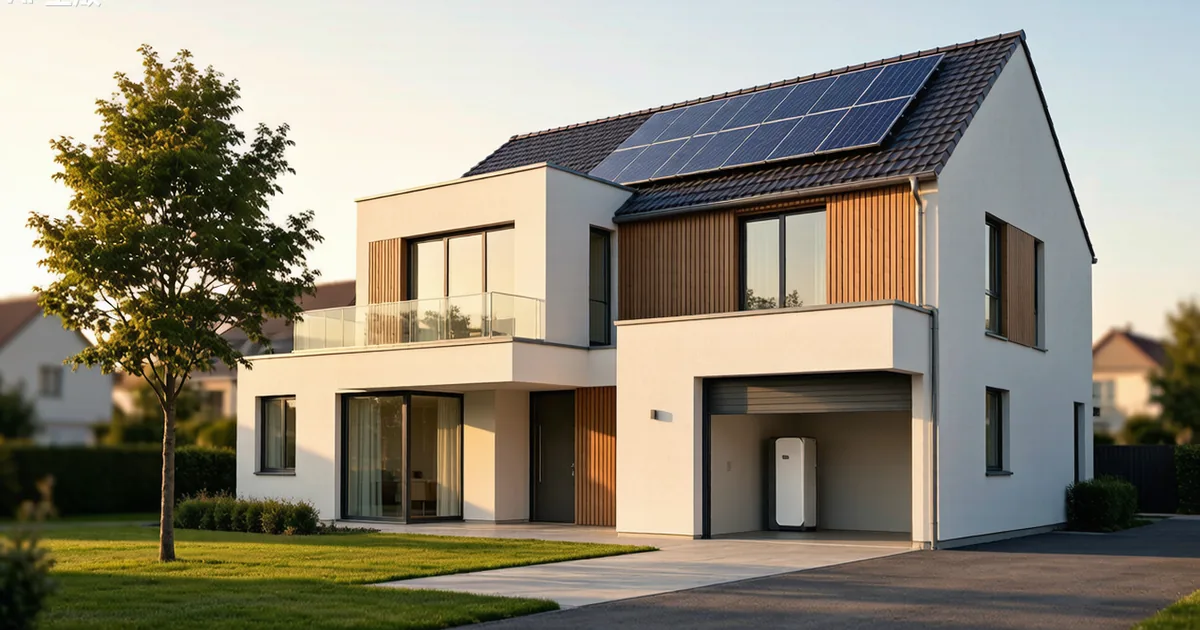
This guide covers everything you need to know: Spain’s PVPC dynamic tariff structure, regional subsidy programmes, Portugal’s autoconsumo framework under Decree-Law 15/2022, realistic ROI calculations in euros, system sizing guidance, and a direct comparison of the two markets to help you make the right investment decision.
Why the Iberian Peninsula Is Europe’s Solar Battery Hotspot in 2026
Spain and Portugal enjoy some of Europe’s highest solar irradiance — over 1,600 kWh/m² per year in many regions, compared to Germany’s ~950 kWh/m². Yet despite this abundance, Iberian households have historically paid among the highest electricity prices in the EU, making the economics of behind-the-meter battery storage particularly compelling.
The convergence of three forces in 2026 makes this the optimal moment to invest:
- Regulatory maturity: Spain’s RD 244/2019 and Portugal’s Decree-Law 15/2022 now provide clear legal frameworks for self-consumption with storage
- Subsidy availability: Both countries have active incentive programmes with national and regional layers
- Storage cost decline: LiFePO4 battery prices have fallen to ~€120–150/kWh (installed), down from €250+/kWh in 2022
Spain: The PVPC Dynamic Tariff and Why Battery Storage Is Essential
Spain operates the PVPC (Precio Voluntario para el Pequeño Consumidor) dynamic tariff for regulated-market customers — approximately 22 million households. Under PVPC, electricity prices change hourly, meaning a 5 kWh home battery can save €180–€320 per year by charging during off-peak hours (typically 02:00–06:00 at ~€0.08–0.12/kWh) and discharging during peak hours (20:00–22:00 at €0.22–0.35/kWh).
Spain’s Subsidy Landscape in 2026
Spain has no single national battery storage subsidy. Instead, support is delivered through regional programmes — and the picture varies significantly by autonomous community:
| Region | Programme | Battery Incentive | Maximum Aid |
|---|---|---|---|
| Madrid | Plan Más Madrid / Madrid Solar | 10% of system cost | Up to €600 |
| Catalonia | Bon Solar (Parc de la Ciutadella package) | €300–€600 per installation | €600 |
| Andalusia | Junta de Andalucía Efficiency Programme | Up to 25% of battery cost | €1,000 |
| Basque Country | EyFun/EVE subsidies | €300/kWh installed | €1,500 |
| Navarre | Plan Renovables Navarre | €400/kWh | €2,000 |
| Valencia | AVI / Energy Efficiency Grants | 30% of eligible costs | €800 |
Beyond regional subsidies, Spain’s Bono Social de Electricidad — a social tariff providing 25–40% discounts for vulnerable households — is increasingly combined with battery storage to extend the benefit of reduced-rate electricity across all hours of the day. For households eligible for Bono Social, a 5 kWh LiFePO4 system can effectively double the annual savings compared to solar alone.
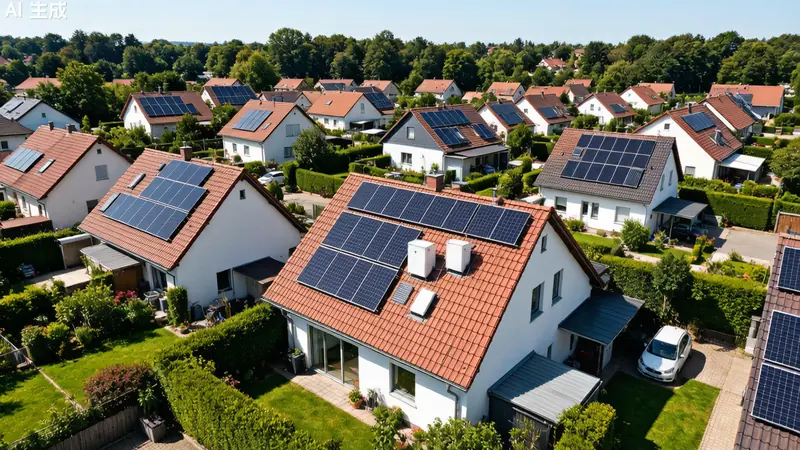
Spain’s Net Metering Phase-Out: Act Now
Spain is progressively reducing the compensation rate for excess solar electricity exported to the grid. The net metering (compensación de excedentes) scheme has already seen its premium rate cut twice since 2022. By 2028, analysts expect the export tariff to fall to near wholesale levels (~€0.04/kWh), making self-consumption with battery storage — rather than export — the financially rational choice.
This is a critical timing issue: households that install battery storage before 2027 lock in both current subsidy rates and favourable self-consumption economics. Those who wait face a dual headwind of lower subsidies and reduced export revenue.
Portugal: Autoconsumo and the Growing Storage Incentive Ecosystem
Portugal’s solar self-consumption market is younger than Spain’s but growing rapidly. Under Decree-Law 15/2022, self-consumption installations up to 35 kW are exempt from licensing complexity, and double-counting rules allow producers to offset consumption against generation across different time periods.
The Portuguese government introduced a dedicated battery storage subsidy programme in 2025, with a budget of €40 million available through 2026. Grants of up to €1,000 are available for residential battery systems paired with new solar installations, with a additional €500 top-up for low-income households.
- IEA/ADENE Energy Agency support: Technical assistance and certification for installers
- IVA reduction: 6% reduced VAT rate applies to battery storage equipment (vs. 23% standard rate)
- Fondo Ambiental: Periodic funding rounds for residential energy efficiency upgrades including storage
- PRR (Recovery and Resilience Plan): €650 million allocated to building energy renovation, partially supporting storage
Portugal’s electricity market, operated by OMIE, mirrors Spain’s Iberian market coupling. Hourly prices on the Portuguese spot market follow similar patterns to PVPC, with peak prices of €0.28–0.40/kWh during evening hours and off-peak prices as low as €0.06–0.10/kWh. A 7 kWh LiFePO4 battery in Portugal typically saves €220–€380 per year through arbitrage.
ROI Comparison: Spain vs Portugal in 2026
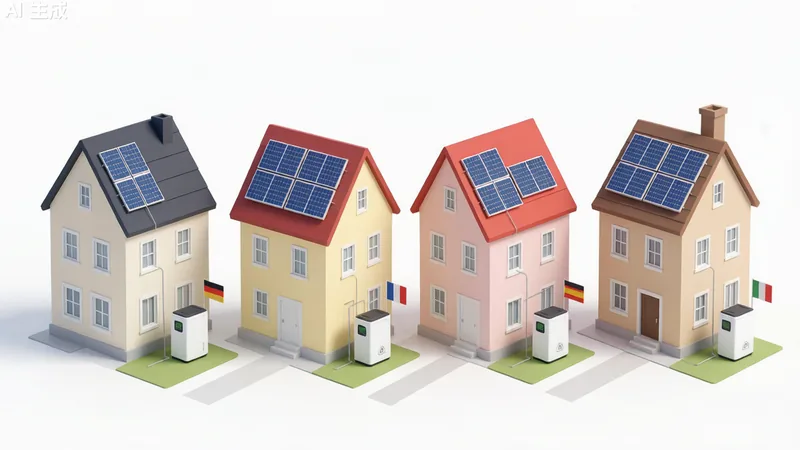
Both markets offer compelling returns, but the optimal strategy differs:
| Factor | Spain | Portugal |
|---|---|---|
| Average electricity price 2026 | €0.26/kWh | €0.24/kWh |
| Peak evening price | €0.30–0.38/kWh | €0.28–0.40/kWh |
| Off-peak night price | €0.08–0.12/kWh | €0.06–0.10/kWh |
| Battery system cost (5 kWh installed) | €2,500–€3,500 | €2,200–€3,200 |
| Annual savings (with PV) | €600–€1,100 | €550–€1,000 |
| Payback period (no subsidy) | 4.5–6 years | 4–5.5 years |
| Payback period (with subsidy) | 3.5–5 years | 3–4.5 years |
| 10-year net gain (no subsidy) | €3,500–€7,500 | €3,000–€7,000 |
These figures assume a 5 kWh LiFePO4 battery paired with a 4 kWp solar PV system. Real-world returns vary based on household consumption profile, orientation, shading, and whether dynamic tariffs are actively managed.
Sizing Your Battery System: Iberian Peninsula Best Practices
System sizing for Iberian homes follows the same principles as elsewhere in Europe, but with specific considerations driven by the region’s high solar generation and pronounced summer heat:
- Daily consumption: Iberian households consume 8–14 kWh/day on average. Target 0.5–1x daily consumption in usable battery capacity
- Peak-shaving priority: With evening peaks of 7–10 PM, aim for enough capacity to cover 4–6 hours of evening demand
- Summer self-consumption: Spanish and Portuguese summers generate 15–20 kWh/day from a 5 kWp system. A 10 kWh battery captures excess daytime generation for evening use
- Thermal management: Both countries experience summer temperatures exceeding 40°C in interior regions. Choose LiFePO4 batteries rated for high-temperature operation (discharge range: -20°C to +55°C)
For most Spanish and Portuguese households, a 5–10 kWh LiFePO4 battery system provides the optimal balance between upfront cost and financial return. Larger systems (15+ kWh) make sense for three-phase homes with EV chargers or heat pumps.
Dynamic Tariffs: The Hidden ROI Driver
The biggest opportunity for battery owners on the Iberian Peninsula in 2026 is not subsidies — it is dynamic electricity tariff arbitrage. Both Spain’s PVPC and Portugal’s mercado spot price fluctuate by 300–500% within a single 24-hour period.
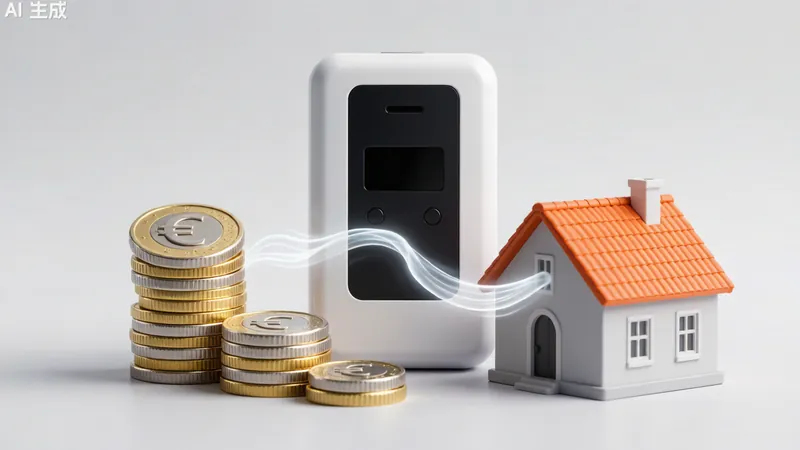
A well-configured hybrid inverter with an intelligent BMS can automatically shift charging to the cheapest hours and discharge during peaks — without any manual intervention. This automation typically adds €80–€150 per year in additional savings beyond passive load-shifting.
Installation Considerations for Iberian Installers
Installing LiFePO4 battery systems in Spain and Portugal requires navigating specific national regulations:
- Spain (RD 842/2002 / ITC-BT): All electrical installations must comply with the Baja Tensión regulation. Battery systems require a certified inverter, appropriate protection devices (DC disconnect, surge protection), and registration with the local distributor (compañía distribuidora)
- Portugal (Decree-Law 15/2022): Systems under 35 kW are subject to a simplified registration process via the DGEG (Direção-Geral de Energia e Geologia) portal. Installers must hold appropriate CERTIEL or similar certification
- EU Battery Regulation (EU 2023/1542): Batteries placed on the market must carry a CE marking, a battery passport, and a carbon footprint declaration. Ensure your LiFePO4 supplier provides this documentation
- Grid connection: In both countries, battery systems can be connected behind the meter without a grid connection agreement, provided total installed capacity does not exceed the contracted power limit
Why Now Is the Right Time for Iberian Battery Storage
The Iberian Peninsula is at a pivotal moment. Battery storage costs have fallen 40–50% since 2022. Subsidy programmes are active but being reviewed for 2027. And the net metering phase-out trajectory in Spain means every month of delay reduces lifetime returns.
For homeowners, the message is clear: install before 2027 to lock in the best economics. For installers, the market opportunity is significant — but requires understanding both the national regulatory frameworks and regional incentive structures.
Whether you are in Andalusia or the Algarve, Catalonia or the Algarve, a well-sized LiFePO4 battery system is the investment that transforms solar panels from a daytime-only energy source into a 24-hour energy independence solution.
Get Started with Your Iberian Battery Storage Project
Ready to explore solar battery storage for your home or installation business in Spain or Portugal? Contact Insum Energy for a personalised system recommendation, current pricing in euros, and guidance on applicable regional subsidies. We supply high-quality LiFePO4 batteries across the Iberian Peninsula with full EU compliance documentation.
For more regional guides, explore our complete coverage of France and Italy, Belgium, Austria, and Switzerland, and Germany’s KfW subsidy programme.