Off-Grid vs Hybrid vs Grid-Tie Inverter: How to Choose in 2026
Why Your Inverter Choice Defines Your Solar System
Your solar inverter is the brain of your energy system. It determines how much solar power you can use, whether you have backup during outages, and how much you save on electricity bills. In 2026, with evolving grid regulations, falling battery prices, and new inverter technologies, choosing the right topology — off-grid, hybrid, or grid-tie (grid-interactive) — matters more than ever.
At Insum Energy, we design and supply complete solar storage systems. Every week, customers ask us: “Which inverter type is best for my situation?” This guide breaks down the three options with real-world use cases, cost comparisons, and a clear decision framework.
Inverter Type Overview: How They Work
Grid-Tie (Grid-Interactive) Inverter
A grid-tie inverter synchronizes with the utility grid and feeds solar power directly into your home or back to the grid. It shuts down during a blackout for safety (anti-islanding). Best for net metering scenarios where you maximize solar self-consumption without backup needs.
Hybrid Inverter
A hybrid inverter combines a grid-tie inverter with a battery charger and transfer switch in one unit. It connects solar panels, battery storage, and the grid simultaneously. During a blackout, it can island your home and provide backup power from solar and battery — without a separate battery inverter.
Off-Grid Inverter
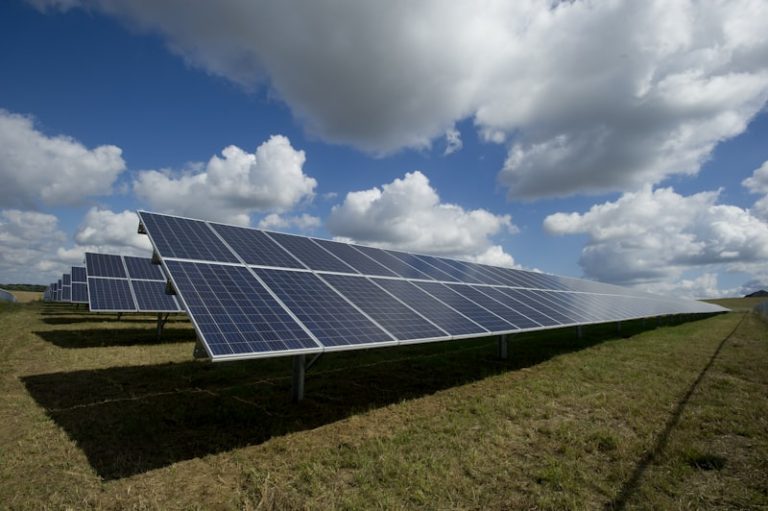
An off-grid inverter operates independently from the utility grid. It takes DC power from solar panels and batteries and converts it to AC for your home loads. No grid connection means full energy independence, but requires properly sized battery banks and often a backup generator for extended low-sun periods.
Head-to-Head Comparison Table
| Feature | Grid-Tie | Hybrid | Off-Grid |
|---|---|---|---|
| Grid connection | ✅ Required | ✅ Required | ❌ Not required |
| Battery support | ❌ No (needs separate inverter) | ✅ Built-in | ✅ Required |
| Backup during outage | ❌ Shuts down | ✅ Island mode | ✅ Always on |
| Net metering | ✅ Best | ✅ Good | ❌ Not applicable |
| Typical efficiency | 97-99% | 95-98% | 93-96% |
| System cost (10kW) | $1,200-2,500 | $2,500-5,000 | $3,000-6,500 |
| Installation complexity | Low | Medium | High |
| Best for | Grid-tied homes with net metering | Homes with solar + backup | Remote cabins, full off-grid |
When to Choose Each Inverter Type
Choose Grid-Tie When:
- You have reliable grid access with favorable net metering policies
- You want the lowest upfront cost and highest efficiency
- Power outages are rare in your area (less than once per year)
- You plan to add battery storage later (you can retrofit an AC-coupled battery)
Choose Hybrid When:
- You want solar + battery backup in a single, clean installation
- Your area experiences 2-10 grid outages per year
- You want time-of-use (TOU) optimization — charge battery when rates are low, discharge when high
- You plan to start with solar and add battery later (many hybrid inverters support this)
Choose Off-Grid When:
- You have no grid access (remote cabin, farm, telecom tower)
- Grid connection costs exceed $20,000 (common for rural properties)
- You require 100% energy independence and are willing to size for worst-case weather
- You have land for a ground-mount solar array and space for a large battery bank
Real-World Cost Analysis: 10kW System Example
Let’s compare a typical 10kW solar installation across the three inverter types. Prices reflect 2026 market rates for Insum Energy compatible components:
| Component | Grid-Tie | Hybrid | Off-Grid |
|---|---|---|---|
| Solar panels (10kW) | $3,500 | $3,500 | $3,500 |
| Inverter | $1,800 | $3,200 | $4,500 |
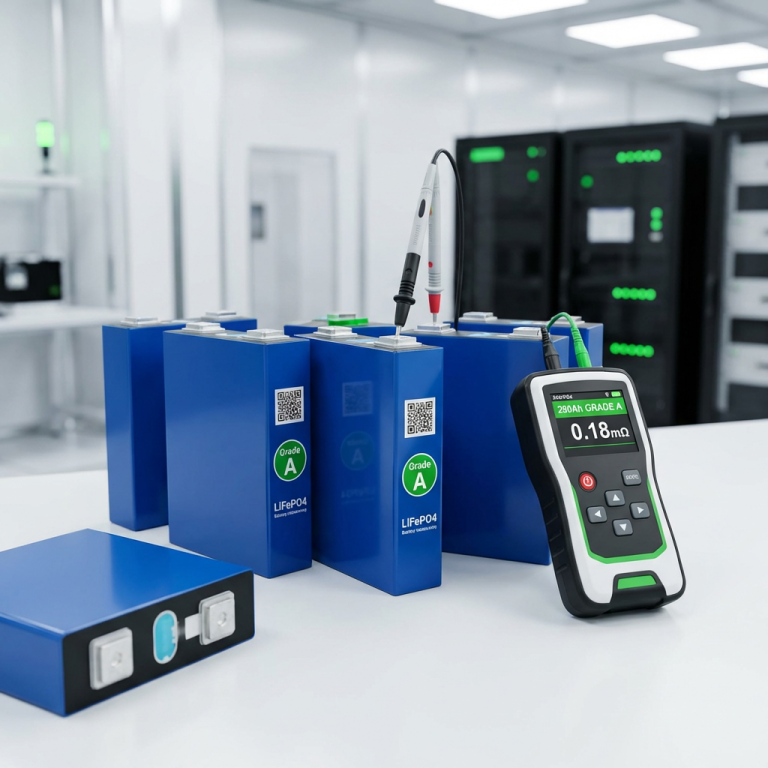
| Battery (10kWh LiFePO4) | $0 (optional) | $2,800 | $5,600 (20kWh) |
| Racking & wiring | $1,200 | $1,200 | $1,800 |
| Installation labor | $1,500 | $2,500 | $4,000 |
| Total | $8,000 | $13,200 | $19,400 |
While off-grid has the highest upfront cost, it eliminates monthly grid connection fees ($15-40/month in most regions) and provides full energy independence. Hybrid offers the best balance for typical homeowners.
2026 Market Trends Affecting Your Decision
1. Hybrid Inverter Prices Are Dropping
The price gap between grid-tie and hybrid inverters has narrowed significantly. In 2026, a 10kW hybrid inverter costs roughly $1,400 more than a grid-tie equivalent — down from $2,500+ in 2023. This makes the “future-proof” choice much more affordable.
2. AC vs DC Coupling Matters
Hybrid systems typically use DC coupling (battery connects on the DC side of the inverter), which offers 2-5% higher round-trip efficiency vs AC-coupled systems. However, AC coupling lets you add batteries to existing grid-tie solar without replacing your inverter.
3. VPP and Smart Export Tariffs
Grid-tie and hybrid systems can participate in Virtual Power Plants (VPPs) and export tariff programs. Off-grid systems cannot. In states with VPP programs like California NEM 3.0, Texas ERCOT, or the UK SEG tariff, a hybrid system can generate $200-600/year in additional revenue.
Decision Flowchart: Which Inverter Should You Buy?
- Do you have grid access? → No = Off-grid inverter | Yes = Go to step 2
- Do you need backup during outages? → No = Grid-tie inverter | Yes = Go to step 3
- Do you want battery storage now or within 2 years? → No = Grid-tie (retrofit later) | Yes = Hybrid inverter
- Do you want maximum independence? → Consider oversizing battery + solar with an off-grid-capable hybrid
Frequently Asked Questions
Can I add batteries to an existing grid-tie system?
Yes. You can add an AC-coupled battery (like the Tesla Powerwall or a LiFePO4 rack battery with a separate battery inverter) to most grid-tie systems. However, DC-coupled hybrid inverters offer higher efficiency and simpler management.
Are hybrid inverters worth the extra cost?
For most homeowners in 2026, yes. The price premium has dropped to ~$1,400, and you get backup power, TOU optimization, and VPP compatibility. Over a 10-year system life, the energy savings and backup value far exceed the upfront cost.
What size inverter do I need for my home?
A typical home needs a 5-10kW inverter. Contact our team with your monthly kWh usage and roof space, and we’ll design the right system for you.
Can I run an off-grid system without a generator?
Yes, but you need to oversize your solar array and battery bank to handle 3-7 consecutive cloudy days. Most off-grid homes keep a backup generator for winter months or emergency recharge.
The Bottom Line
Your inverter choice in 2026 comes down to three factors: grid availability, backup requirements, and budget.
- Grid-tie: Best for cheap, grid-reliable homes focused on solar savings
- Hybrid: Best overall value — backup power + solar savings + VPP revenue
- Off-grid: Best for no-grid locations or full energy independence
At Insum Energy, we supply high-quality hybrid and off-grid inverters with LiFePO4 battery systems for homes, farms, and businesses worldwide. Our engineers can help you select the right inverter based on your local grid conditions, energy consumption, and budget.
Ready to Design Your Solar System?
Get a free system design and quotation for your home or project. Our team has supplied complete solar storage systems to customers in 30+ countries. Tell us your energy needs, and we’ll recommend the optimal inverter solution for 2026.