Off-Grid Solar System Design: Complete Guide for European Homes
Designing a reliable off-grid solar system goes far beyond “buying a few panels and a battery.” Across Europe — from the long, dark winters in Scandinavia to the scorching summers in the Mediterranean — climate, household habits, and local regulations vary greatly. This guide walks you through the four core design steps, with practical calculation examples and region-specific tips.
1. Calculate Your Daily Energy Usage – The Foundation
This step is the most underestimated. List all appliances you may run simultaneously and calculate total daily energy consumption in kilowatt-hours (kWh).
How to do it?
-
List all appliances: lighting, refrigerator, water pump, router, TV, coffee machine, electric heater, etc.
-
Estimate daily usage hours: e.g., a fridge runs 24h but the compressor may only work 8–12h.
-
Calculate individual consumption: (Power in watts × daily hours) ÷ 1000 = kWh.
-
Sum them up.
Typical reference values for Europe:
-
Energy-efficient home (LED, A+++ appliances): 8–12 kWh/day (2–4 persons, no electric heating).
-
Standard home (electric cooking & water heating): 15–25 kWh/day.
-
High consumption (or occasional EV charging): calculate separately.
Important for European homes: If you use a heat pump (air-to-water or ground source) for heating, winter daily consumption can jump to 30–50 kWh. Always base your design on the highest-consumption winter month.
2. Sizing the Solar Array – Account for Winter & Losses
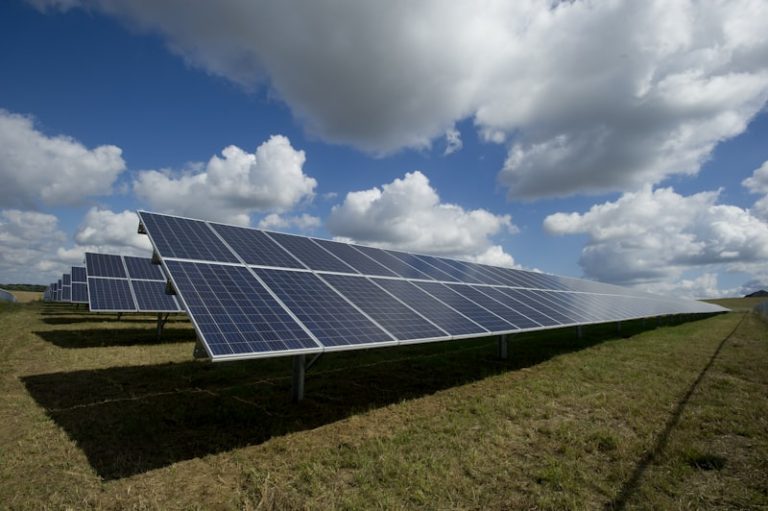
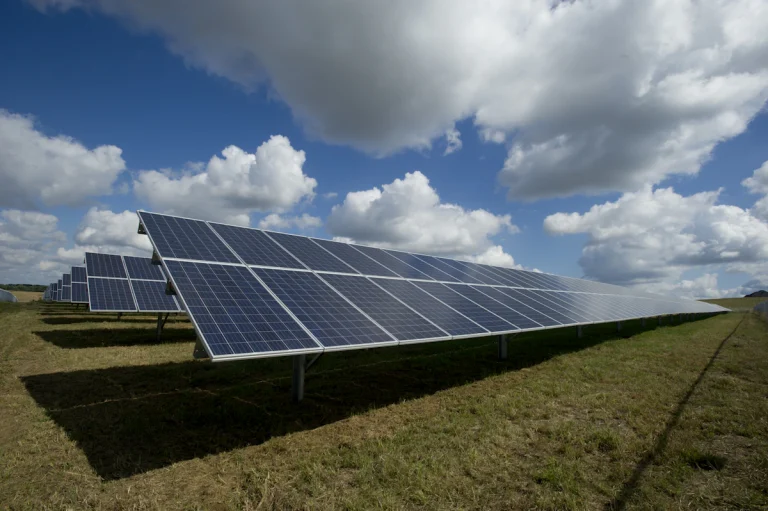
The simple formula “daily usage ÷ sun hours” is not enough. You must account for the worst winter solar radiation and system losses.
Basic formula (expanded from original “4x daily usage”):
Total PV power (kWp) ≈ (daily usage in kWh × 1.3 loss factor) ÷ (average winter peak sun hours)
Why the “4x daily usage” rule of thumb?
To produce enough energy on overcast winter days, your installed capacity may need to be 3–5 times the theoretical calculation:
-
Southern Europe (e.g., Southern Spain, Italy): winter sun ≈ 3h → install daily usage ×3.
-
Central Europe (e.g., Germany, France, Poland): winter sun ≈ 2–2.5h → daily usage ×4.
-
Northern Europe (e.g., Sweden, Finland): winter sun ≈ 1–1.5h → daily usage ×5–6, or combine with wind/hybrid.
Example:
Home in Germany, daily usage = 15 kWh, winter peak sun = 2h.
Required PV power ≈ (15 × 1.3) ÷ 2 ≈ 9.75 kWp.
Taking margin for cloudy days → choose 10–12 kWp (e.g., 30–35 panels of 400W).
3. Battery Sizing – Autonomy, Depth of Discharge & Temperature
The battery determines how much power you have after sunset and through consecutive cloudy days. The original “3-day autonomy” is a good European standard, but you must incorporate depth of discharge (DoD) and temperature correction.
Base formula:
Usable capacity (kWh) = daily usage × autonomy days
Actual nominal battery capacity = Usable capacity ÷ (DoD × temperature factor)
Key parameters explained:
-
Autonomy days: 3–5 days for remote areas; 2 days for mild climates; 1–2 days for basic backup only.
-
Depth of discharge (DoD) : Lithium Iron Phosphate (recommended) = 80–90%; lead‑carbon / gel = 50–60%.
-
Temperature factor: Batteries installed in unheated spaces (garage, outdoor cabinet) lose capacity in cold. At 0°C, lithium ≈0.9, lead‑acid ≈0.8.
Example:
Daily usage = 15 kWh, autonomy required = 3 days, LiFePO₄ battery (DoD=85%), installed indoors (temp factor 0.98).
Usable capacity = 15 × 3 = 45 kWh
Nominal capacity = 45 ÷ (0.85 × 0.98) ≈ 54 kWh
That equals approximately 3–4 stackable high‑voltage battery modules or a 48V 1100Ah bank.
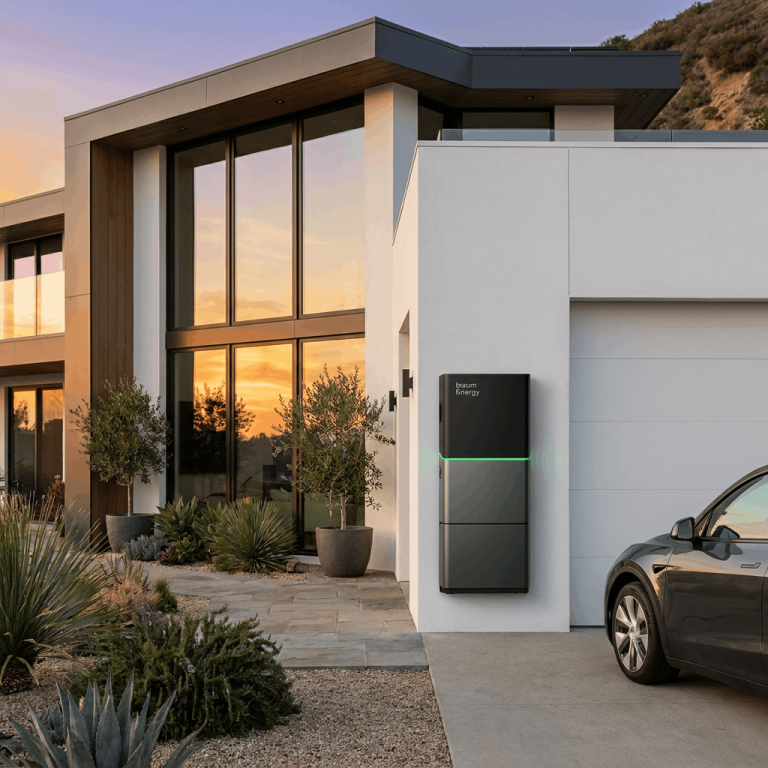
European trend: More homes are adopting high‑voltage battery systems (100–400V) instead of traditional 48V, because they offer higher inverter efficiency and better support large appliances.
4. Inverter Selection – Don’t Forget Surge Loads
The inverter converts DC battery power into AC for your home appliances. There are two main types:
-
High‑frequency inverters: lighter, cheaper, but may trip when starting heavy motors.
-
Low‑frequency inverters: heavier, more expensive, excellent surge capacity – recommended for full off‑grid homes.
Capacity formula (original says 25% larger than peak load):
Continuous inverter power ≥ (total running power of all simultaneous appliances) × 1.2–1.25
The critical part – surge loads (peak power) :
-
Resistive loads (lights, TV, computer): surge = rated power.
-
Inductive loads (motors: fridge, water pump, washing machine, air conditioner): start‑up surge can be 3–7 times the rated power.
How to calculate peak load:
Take the highest surge among all appliances that may start at the same time, add the running power of all others.
Example (simultaneous operation) :
-
Fridge: 150W running, 600W surge
-
LED lights: 100W
-
TV: 150W
-
Small water pump: 300W running, 1200W surge
Worst case: pump starts (1200W) + fridge starts (600W) → 1800W surge.
Add other always‑on loads (100+150=250W) → total peak = 2050W.
Multiply by 1.25 → ~2600W.
Choose a 3000W inverter at minimum. If you may add larger tools later, go for 5000–6000W with a dedicated circuit.
Additional Europe‑Specific Considerations
-
Permits for off‑grid? – Pure off‑grid (no feed‑in) usually does not require grid operator approval. However, you must comply with local electrical codes (e.g., VDE in Germany, NF C15‑100 in France).
-
Insurance & property tax – In some countries (Austria, Italy, parts of Spain), large rooftop PV arrays may affect building insurance premiums or local property tax. Consult a local tax advisor before finalising capacity.
-
Backup generator – In central or northern Europe, winter overcast spells can last 2 weeks. Even with large batteries, consider a diesel or petrol generator (5–15kW) with an automatic start input on the inverter.
-
Heating & hot water – Off‑grid homes should avoid electric resistance heating (extremely high consumption). Best combination: wood/pellet stove for space heating + solar thermal or heat pump for water heating.
When to Call a Professional Installer
-
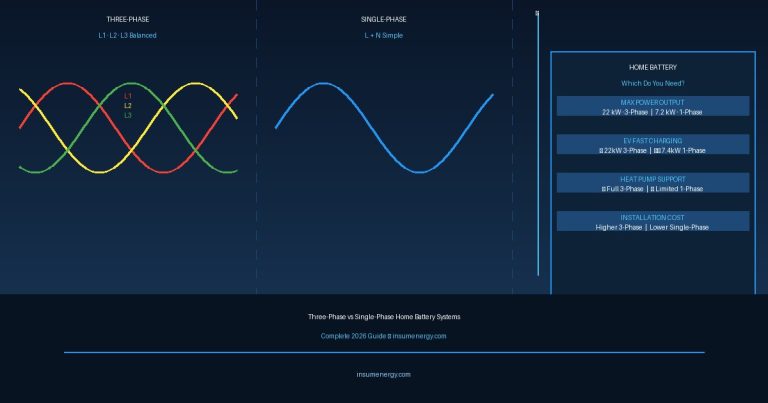
Total system power > 15 kWp (many European regulations require three‑phase off‑grid design).
-
You need a high‑voltage battery system (>150V) or AC‑coupling (mixing existing on‑grid solar with off‑grid).
-
Integrating multiple sources: solar + wind + micro‑hydro + generator.
A common economic mistake: Don’t try to oversize the battery for every possible cloudy day. The cost for the first 3 days of storage is reasonable; each extra kWh beyond day 4–5 is far more expensive than running a small generator for a few hours. Economic sweet spot: battery capacity = 3–5 days of usage, and rely on a generator for longer bad weather.
If you share your daily consumption data (or appliance list) and your general location in Europe (country/region) , I can help you produce a customised preliminary sizing table for panels, battery, and inverter.