LiFePO4 vs NMC Lithium Batteries: Which Is Best for Home Energy Storage in 2026?
Choosing the right lithium battery chemistry for your home energy storage system is one of the most impactful decisions you will make. The two dominant options—Lithium Iron Phosphate (LiFePO4) and Nickel Manganese Cobalt (NMC)—each offer distinct advantages that suit different household needs. This guide breaks down the key differences so you can invest with confidence.
What Is LiFePO4?
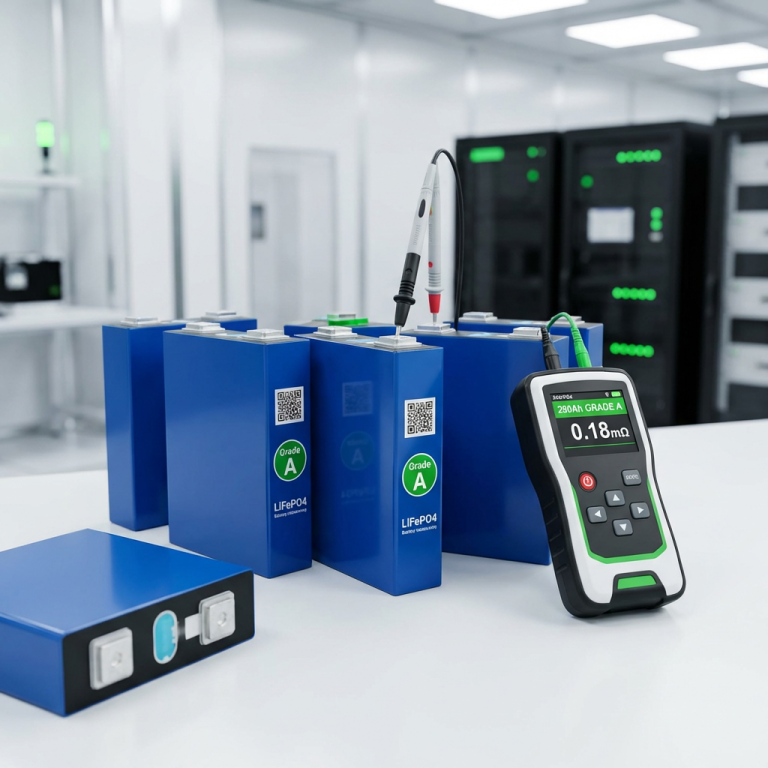
Lithium Iron Phosphate (LiFePO4 or LFP) batteries use iron phosphate as the cathode material. They have become the go-to choice for residential solar storage, favored for their exceptional cycle life and thermal stability. Major manufacturers like CATL, BYD, and EVE Energy now produce LFP cells at scale, driving costs down significantly.
What Is NMC?
Nickel Manganese Cobalt (NMC) batteries use a combination of nickel, manganese, and cobalt in their cathode. They are known for high energy density, which translates to more capacity in a smaller, lighter package. Tesla, for instance, historically used NMC chemistry in its Powerwall products before shifting some lines to LFP.
5 Key Factors to Compare
1. Cycle Life and Longevity
This is where LiFePO4 dominates. A quality LFP battery typically delivers 4,000–6,000 cycles at 80% depth of discharge, translating to 10–15 years of daily use. NMC batteries generally reach 1,500–3,000 cycles under similar conditions. For a home storage system you expect to rely on for a decade or more, LFP offers a clear longevity advantage.
2. Energy Density
NMC wins on energy density, offering 150–220 Wh/kg compared to LFP’s 90–160 Wh/kg. In practical terms, an NMC battery pack will be smaller and lighter for the same usable capacity. This matters most when installation space is tight, such as in apartments, garages with limited floor area, or wall-mounted configurations.
3. Safety and Thermal Stability
LiFePO4 is inherently safer. Its chemical structure is far more resistant to thermal runaway, meaning it is less likely to catch fire or experience dangerous failures even under extreme conditions. NMC batteries require more sophisticated Battery Management Systems (BMS) and thermal management to operate safely. For residential applications where safety is non-negotiable, LFP provides greater peace of mind.
4. Cost per kWh
LFP battery prices have dropped to roughly $80–$120 per kWh at the cell level in 2026, while NMC cells still hover around $100–$150 per kWh. When you factor in the longer cycle life of LFP, the levelized cost of storage over the battery’s lifetime is significantly lower for LFP—often 30–40% cheaper on a per-kWh-per-cycle basis.
5. Temperature Performance
LiFePO4 performs better in high-temperature environments, making it ideal for homes in hot climates. NMC batteries can suffer faster degradation at elevated temperatures and typically require active cooling systems. However, NMC does perform slightly better in very cold conditions, though neither chemistry excels in sub-freezing temperatures without heating elements.
Which Should You Choose?
For the majority of homeowners installing a solar-plus-storage system, LiFePO4 is the better choice in 2026. Its combination of lower lifetime cost, superior safety, and proven durability makes it the practical default. Choose NMC only if space constraints are severe and you are willing to accept a shorter overall lifespan in exchange for a more compact form factor.
Key Takeaways
- LiFePO4 offers 4,000–6,000 cycles vs. 1,500–3,000 for NMC
- NMC provides higher energy density in a smaller package
- LiFePO4 is inherently safer with better thermal stability
- LiFePO4 delivers 30–40% lower lifetime cost per kWh
- LiFePO4 performs better in hot climates; both need heating in cold conditions
Need Expert Guidance?
Selecting the right battery chemistry is just one piece of a well-designed energy storage system. If you are planning a residential solar battery installation, contact Insum Energy for a personalized consultation. Our team will assess your energy profile, site conditions, and budget to recommend the optimal solution for your home.