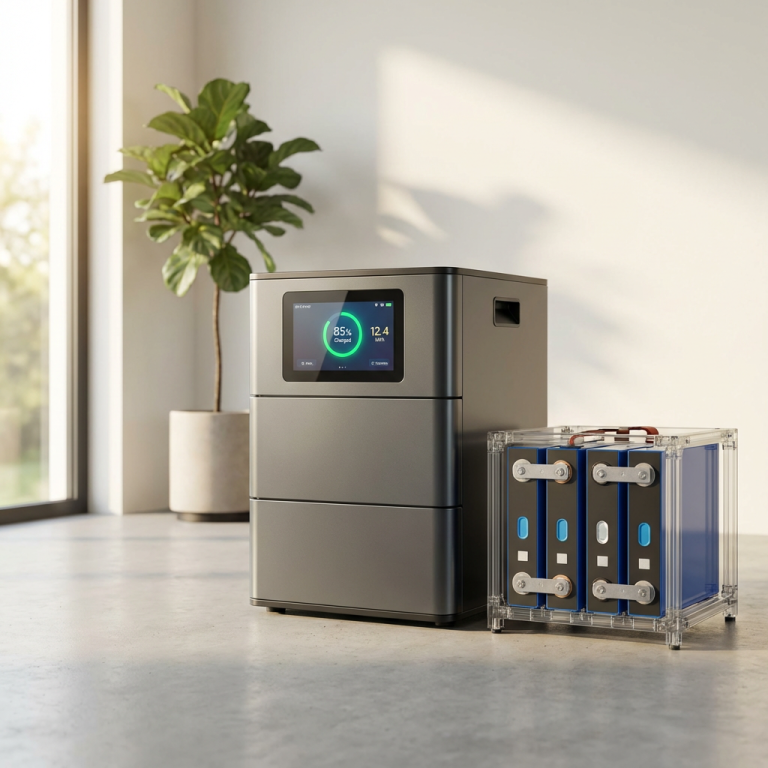
How to Choose the Right Home Battery Storage System for Your Solar Setup
As more homeowners embrace solar energy, the importance of effective battery storage systems has become increasingly clear. A well-chosen home battery not only maximizes your solar investment but also provides backup power during outages and reduces dependence on the grid. This guide will help you navigate the key considerations when selecting a battery storage system for your home.
Understanding Your Energy Needs
Before diving into specifications, assess your household energy consumption patterns. Review your electricity bills from the past year to understand your daily and seasonal usage variations. This data forms the foundation for determining the right battery capacity for your needs.
- Daily consumption: Calculate your average daily kilowatt-hour (kWh) usage
- Peak demand: Identify when your household uses the most energy
- Backup priorities: List essential appliances you want powered during outages
- Future plans: Consider upcoming changes like EVs or home additions
Key Battery Specifications to Compare
Not all batteries are created equal. Understanding technical specifications helps you make an informed decision and avoid costly mistakes.
- Capacity (kWh): Total energy the battery can store
- Power rating (kW): How much energy the battery can deliver at once
- Depth of discharge (DoD): Percentage of battery capacity you can safely use
- Round-trip efficiency: How much energy is lost during charging and discharging
- Warranty and cycle life: Expected lifespan and warranty coverage
Battery Chemistry Options
Modern home battery systems primarily use lithium-ion technology, but different chemistries offer varying advantages:
- LiFePO4 (Lithium Iron Phosphate): Superior safety, longer cycle life, stable performance across temperatures
- NMC (Nickel Manganese Cobalt): Higher energy density, compact design, proven technology
- LiFePO4 advantages: Non-toxic materials, better thermal stability, 10+ year lifespan
For residential applications, LiFePO4 batteries have become the preferred choice due to their excellent safety profile and long cycle life, making them ideal for daily cycling applications.
Integration with Your Solar System
Your battery system must work seamlessly with your existing or planned solar installation. Consider these compatibility factors:
- Inverter requirements: AC-coupled vs. DC-coupled configurations
- Hybrid inverter options: Simplified installation with integrated battery management
- Monitoring systems: Real-time performance tracking and remote management
- Grid connection: Utility requirements and interconnection agreements
Cost and Financial Considerations
While battery prices have decreased significantly, the investment still requires careful financial planning. Consider the total cost of ownership, including installation, maintenance, and potential savings on electricity bills.
- Upfront costs: Battery, inverter, installation, and permitting
- Incentives: Federal tax credits, state rebates, and utility programs
- Time-of-use savings: Shifting consumption to off-peak hours
- Payback period: Typically 7-12 years depending on usage and rates
Ready to Power Your Home with Clean Energy?
Choosing the right battery storage system is a significant decision that impacts your energy independence for years to come. The right system depends on your specific needs, budget, and goals.
Contact Insum Energy today for a personalized assessment of your home battery storage needs. Our team of experts will help you design a system that maximizes your solar investment and provides reliable backup power for your family. Reach out now to schedule your free consultation and take the first step toward true energy independence.