How to Choose the Right LiFePO4 Battery for Your Solar Energy System
As solar energy adoption continues to surge worldwide, selecting the right battery storage has become crucial for maximizing your investment. LiFePO4 (Lithium Iron Phosphate) batteries have emerged as the gold standard for solar energy storage, offering exceptional safety, longevity, and performance. This guide will help you understand what to look for when choosing a LiFePO4 battery for your solar setup.
Why LiFePO4 Batteries Are Ideal for Solar Storage
Unlike traditional lead-acid batteries or other lithium chemistries, LiFePO4 batteries offer a unique combination of safety and durability that makes them perfect for residential and commercial solar applications.
- Superior Safety Profile: LiFePO4 chemistry is inherently stable, with virtually no risk of thermal runaway or fire, even under extreme conditions.
- Extended Lifespan: With 3,000-6,000+ charge cycles, these batteries can last 10-15 years, significantly outlasting lead-acid alternatives.
- Deep Discharge Capability: You can safely discharge up to 80-90% of capacity without damaging the battery, maximizing usable energy.
- Consistent Performance: Stable voltage output throughout the discharge cycle ensures your appliances run efficiently.
- Low Maintenance: No watering, equalizing charges, or frequent replacements needed.
Key Factors to Consider When Selecting Your Battery
Choosing the right LiFePO4 battery involves evaluating several critical specifications to ensure it meets your energy needs and budget.
- Capacity (kWh): Calculate your daily energy consumption and desired backup duration. A typical household may need 5-15 kWh of storage for overnight use.
- Depth of Discharge (DoD): Look for batteries rated for 80-90% DoD. Higher DoD means more usable capacity from the same rated size.
- Round-Trip Efficiency: Quality LiFePO4 batteries offer 95-98% efficiency, meaning minimal energy loss during charge/discharge cycles.
- Operating Temperature Range: Ensure the battery can perform in your local climate, especially if installed in non-climate-controlled spaces.
- Warranty and Support: A 10-year warranty indicates manufacturer confidence and protects your investment.
Sizing Your Battery System Correctly
Proper sizing is essential for both performance and cost-effectiveness. Undersizing will leave you without adequate backup power, while oversizing wastes money on unnecessary capacity.
Start by listing your essential loads and their daily consumption. Consider both critical loads (refrigeration, lights, communication) and comfort loads (HVAC, entertainment). Multiply your daily kWh needs by the number of backup days desired, then add 20% as a buffer for battery degradation over time.
Quality Indicators to Watch For
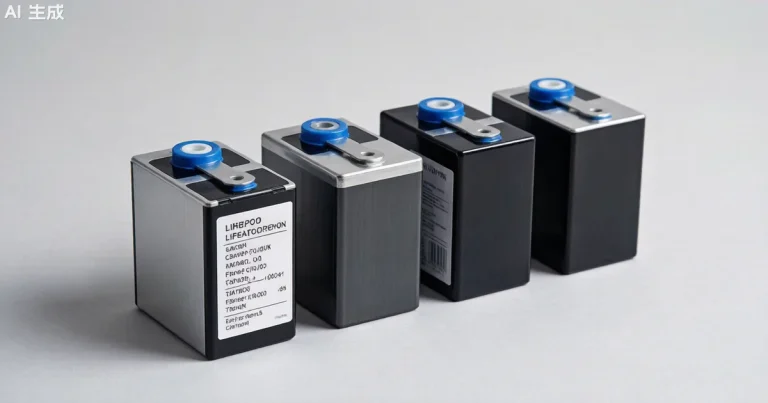
- Grade A Cells: Premium batteries use Grade A cells from reputable manufacturers like CATL, EVE, or Lishen.
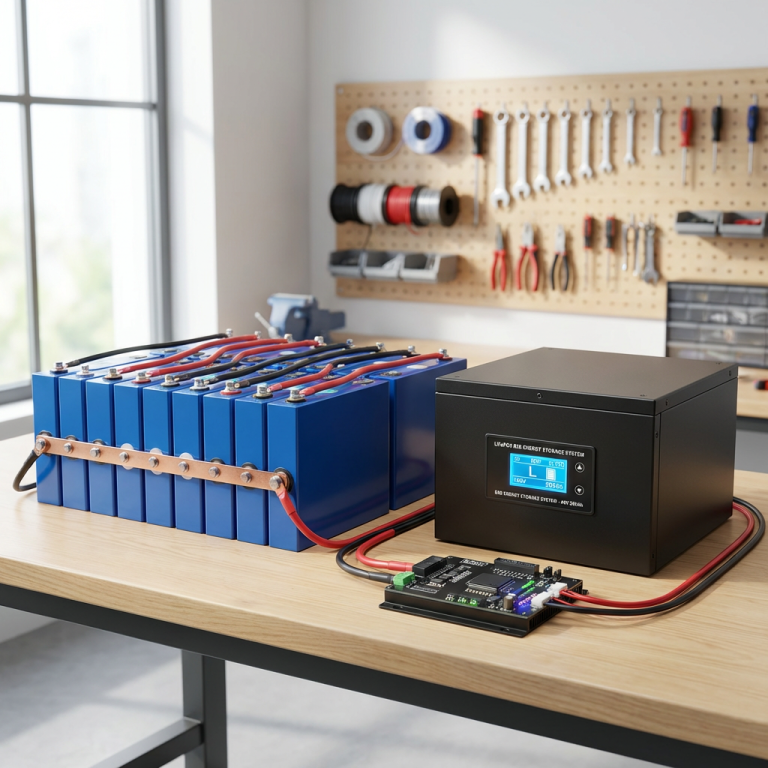
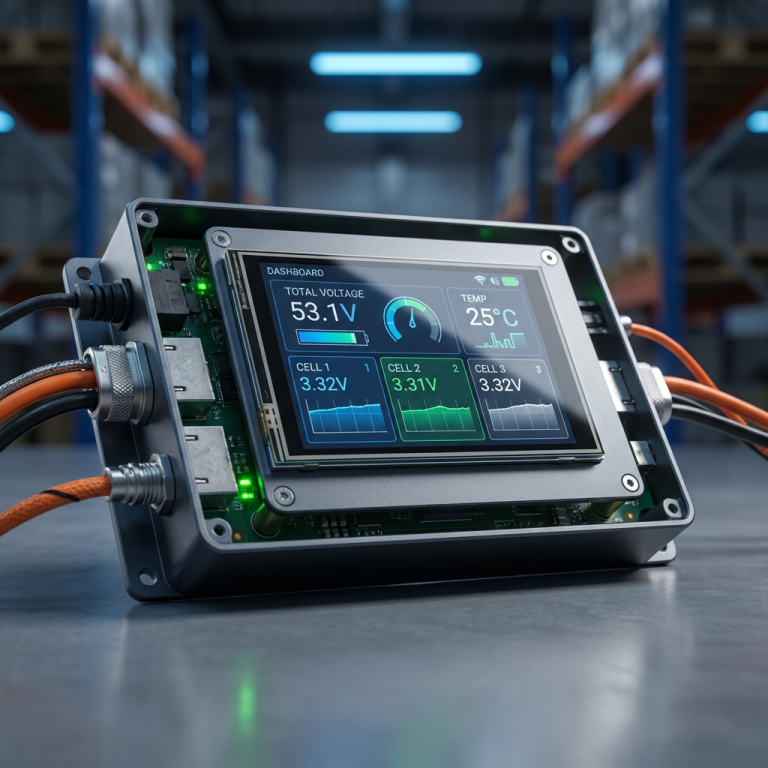
- BMS Features: A robust Battery Management System should include overcharge protection, temperature monitoring, cell balancing, and communication protocols.
- Certifications: Look for UL1973, IEC62619, or UN38.3 certifications for safety and quality assurance.
- Expandability: Modular designs allow you to add capacity as your needs grow.
Partner with Energy Storage Experts
Selecting the right LiFePO4 battery system is a significant decision that impacts your energy independence for years to come. At Insum Energy, we specialize in high-quality energy storage solutions tailored to your specific requirements.
Our team of experts can help you design the optimal battery configuration for your solar installation, ensuring maximum performance, reliability, and return on investment. Whether you need a small residential backup system or a large commercial storage solution, we have the products and expertise to deliver.
Ready to upgrade your energy storage? Contact Insum Energy today for a free consultation and discover how the right LiFePO4 battery can transform your solar energy experience.