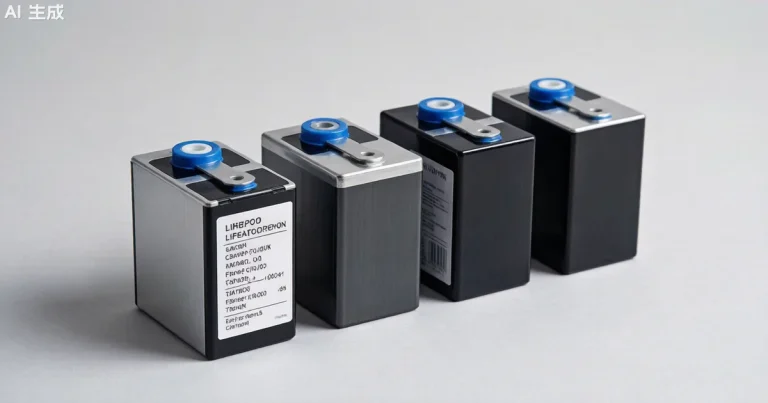
Aluminum vs Steel Housing LiFePO4 Batteries: Which Is Better?
When shopping for a LiFePO4 battery, you might assume the cells inside matter most. But the enclosure — the housing that protects those cells — plays a just-as-critical role in safety, longevity, and real-world performance.
Two materials dominate the market: aluminum and steel. Each brings distinct advantages, trade-offs, and cost implications. Choosing the wrong one can mean premature failure, reduced efficiency, or unnecessary expense.
This guide breaks down everything you need to know to make an informed decision for your home energy storage, off-grid system, or commercial application.
What Does the Battery Housing Actually Do?
The housing isn’t just a box. It’s a multi-function component:
- Physical protection — shields cells from impacts, dust, and moisture (IP rating)
- Thermal management — conducts heat away from cells; affects operating temperature range
- Electrical isolation — prevents short circuits and grounds the pack safely
- Structural integrity — holds cells under vibration, expansion, and thermal cycling stress
The material choice influences all four functions simultaneously. There’s no universal “best” — only the best for your application.
Aluminum Housing: Key Characteristics
Aluminum alloy enclosures (typically 5052 or 6061 grade) are the dominant choice for premium home energy storage products and most modern rack-mounted batteries.
Advantages of Aluminum Housing
- Superior thermal conductivity — ~205 W/m·K (vs steel’s ~45 W/m·K). Aluminum dissipates heat 4–5× faster, keeping cells cooler under load
- Lightweight — density of ~2.7 g/cm³ vs steel’s ~7.8 g/cm³. Easier to mount,搬动, and install in elevated or mobile applications
- Natural corrosion resistance — aluminum forms a protective oxide layer; no painting or coating required
- Non-magnetic — no interference with sensitive electronics or communication equipment
- Recyclability — aluminum is 100% recyclable with only ~5% of the energy cost of primary production
Disadvantages of Aluminum Housing
- Lower structural strength — softer than steel; can deform under severe impact or extreme pressure
- Higher material cost — aluminum prices fluctuate more; typically 20–40% more expensive per unit than equivalent steel
- More susceptible to galvanic corrosion — when in contact with dissimilar metals (e.g., steel mounting brackets) without proper insulation
- Limited EMI shielding — does not block electromagnetic interference as effectively as steel
Steel Housing: Key Characteristics
Steel enclosures (typically cold-rolled steel with powder coating or stainless steel) are common in industrial batteries, budget products, and applications where physical toughness is paramount.
Advantages of Steel Housing
- High structural strength — superior impact and crush resistance; ideal for rough handling, industrial, or outdoor environments
- Excellent EMI shielding — blocks electromagnetic interference; beneficial for installations near radio equipment or sensitive electronics
- Lower material cost — steel is generally cheaper and more price-stable than aluminum
- Better screw-thread retention — threads in steel hold fasteners more securely under repeated assembly/disassembly
- High temperature tolerance — maintains structural integrity at temperatures where aluminum begins to soften (>150°C)
Disadvantages of Steel Housing
- Heavy — adds significant weight to the battery pack; problematic for wall-mounting or mobile applications (RVs, boats)
- Poor thermal conductivity — ~45 W/m·K means heat dissipates slowly; requires more active cooling design
- Corrosion risk — unless properly powder-coated or stainless; scratches can expose bare steel to rust
- Magnetic — can interfere with compass readings on marine vessels; minor concern for most home applications
Direct Comparison: Aluminum vs Steel Housing
| Factor | Aluminum Housing | Steel Housing |
|---|---|---|
| Thermal Conductivity | ~205 W/m·K ✅ | ~45 W/m·K |
| Weight | Light (2.7 g/cm³) ✅ | Heavy (7.8 g/cm³) |
| Corrosion Resistance | Good (natural oxide) | Requires coating ✅ |
| Structural Strength | Moderate | Very High ✅ |
| EMI Shielding | Poor | Excellent ✅ |
| Cost | 20–40% higher | Lower ✅ |
| Recyclability | 100% recyclable ✅ | Recyclable |
| Ideal Application | Home storage, indoor | Industrial, outdoor, marine |
Real-World Application Guide
Here’s how to match the housing to the use case:
Residential Home Energy Storage
→ Choose aluminum housing. For wall-mounted or floor-standing home batteries, weight savings and thermal performance are critical. Aluminum enclosures dissipate heat more efficiently, reducing the burden on indoor HVAC systems and extending cycle life in warm environments. Most premium brands (including Insum Energy’s home storage lineup) use aluminum for these reasons.
Off-Grid Cabins & Remote Installations
→ Aluminum is preferred for temperature-fluctuating environments because it handles thermal cycling better. However, if the installation is in an exposed outdoor cabinet, a powder-coated steel enclosure may offer better physical protection against ветвarta and debris.
RVs, Marine & Mobile Applications
→ Strongly prefer aluminum. Weight is the #1 constraint in mobile systems. Every kilogram saved translates to more cargo capacity and better fuel efficiency. Aluminum’s light weight makes it the clear choice for boat and RV electrical systems.
Industrial & Commercial Energy Storage
→ Depends on the environment. For factory floor or harsh outdoor installations where impact resistance is critical, powder-coated steel or stainless steel enclosures offer superior durability. For climate-controlled server rooms or data center UPS, aluminum is usually preferred for its thermal management advantages.

What About IP Rating & Environmental Protection?
Both aluminum and steel enclosures can achieve high IP (Ingress Protection) ratings. The material matters less than the gasket quality, sealing design, and cable gland choices.
- IP65 (dust-tight + water jet resistant) — achievable with both materials; sufficient for most outdoor sheltered installations
- IP67 (temporary immersion) — requires superior sealing; both materials viable with proper engineering
- Marine installations — stainless steel or marine-grade aluminum (5052-H32) preferred due to salt spray exposure
The enclosure’s IP rating depends more on the manufacturer’s design quality than the base material itself. Always verify the IP rating specification regardless of whether the housing is aluminum or steel.
Cost Impact: Does Housing Material Significantly Affect Price?
In a typical 100Ah 48V LiFePO4 battery pack:
- Housing represents ~5–10% of total BOM cost — cells dominate at ~60–70%
- Switching from steel to aluminum typically adds $15–$40 to the per-unit cost for a complete battery
- Premium brands usually absorb this cost as a product quality differentiator rather than passing it to customers
In other words: housing material alone should rarely be the deciding factor in your purchase. Focus more on cell quality, BMS capability, and warranty terms — and use housing material as a secondary consideration.
Key Takeaways & Recommendation
- For most home energy storage applications, aluminum housing is the better choice: lighter weight, superior thermal management, and corrosion-resistant by nature
- For industrial, outdoor, or high-impact environments, powder-coated or stainless steel provides superior physical protection
- For RVs, boats, and marine applications, aluminum is almost always the correct choice
- Both materials can achieve high IP ratings with proper engineering — verify the actual IP spec, not just the material
- Housing accounts for only 5–10% of total battery cost; prioritize cell quality and BMS over enclosure material
Ready to Choose the Right LiFePO4 Battery?
At Insum Energy, we offer a complete range of LiFePO4 home storage batteries with premium aluminum housings, engineered for maximum thermal performance and long-term reliability. Not sure which configuration is right for your system? Our technical team can help you size and specify the perfect solution.
→ Contact Insum Energy today for a personalized quote and system design consultation.
Or browse our full product lineup to see our current LiFePO4 battery models with aluminum housings, available for worldwide delivery.