
How to Design a Residential Solar Energy System: A Complete 2026 Guide
As electricity costs continue to rise and environmental awareness grows, more homeowners are turning to residential solar energy systems as a long-term investment. Designing the right solar setup, however, requires careful planning. This guide walks you through every key step — from energy audits to component selection — so you can build a system that actually meets your household needs.
Step 1: Conduct a Home Energy Audit
Before purchasing a single panel, understand how much energy your home actually consumes. Review 12 months of electricity bills to calculate your average daily kilowatt-hour (kWh) usage. Include seasonal variations — heating and cooling can swing consumption dramatically. Most experts recommend designing your system to cover 90-110% of your annual energy needs to maximize ROI without overspending on excess capacity.
Step 2: Assess Your Solar Resource
Not all roofs are equally suited for solar. The ideal installation faces south (in the Northern Hemisphere) at a tilt angle roughly equal to your latitude. Even partial shade from chimneys or trees can cut panel output by 20-50%. Tools like Google Project Sunroof or PVWatts can estimate your location solar irradiance and help predict annual energy production with surprising accuracy.
Step 3: Choose the Right Solar Components
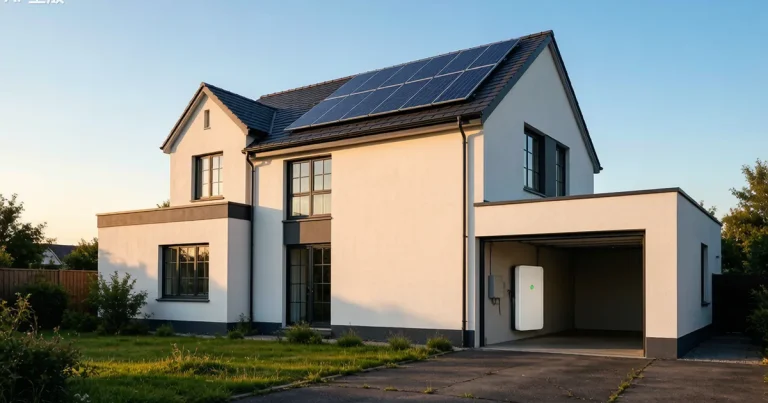
Three components are non-negotiable: panels, inverter(s), and mounting hardware. For most residential installs, monocrystalline silicon panels offer the best efficiency-to-size ratio. String inverters work well for unobstructed, uniform roofs; microinverters or power optimizers are better if shading or multiple orientations are involved. Sizing your inverter to match your panel array DC rating ensures peak performance.
Step 4: Size Your Battery Storage (Optional but Recommended)
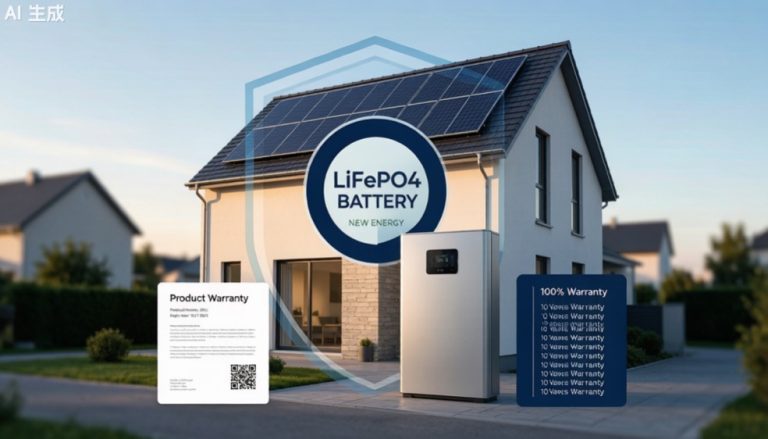
If you want energy independence — especially for backup during outages or to maximize self-consumption — add a lithium battery bank. A general rule: size your battery to cover 1-2 days of backup for critical loads, or 1 full daily cycle for time-of-use optimization. Modern lithium batteries like LiFePO4 offer 4,000-6,000 cycles with a 10-year warranty, making them a practical long-term investment.
Step 5: Plan for Permits, Interconnection, and Installation
Most jurisdictions require a building permit and electrical permit before installation. Your installer typically handles the utility interconnection application, but you should confirm net-metering availability in your area. Choose a certified installer (NABCEP in the US) and ensure the work comes with both a workmanship warranty and manufacturer-backed panel/inverter warranties.
Final Takeaway
Designing a residential solar system is a multi-step process, but the payoff is real: lower monthly bills, reduced carbon footprint, and increased property value. Take time to audit your energy use, assess your site conditions, and spec components that match your goals — whether that is maximum savings, backup resilience, or both.
Ready to take the next step? Contact Insum Energy today for a professional solar site assessment and customized system design. Our team of certified engineers will evaluate your home, design the optimal configuration, and handle every step of installation — so you can go solar with confidence.



One Comment