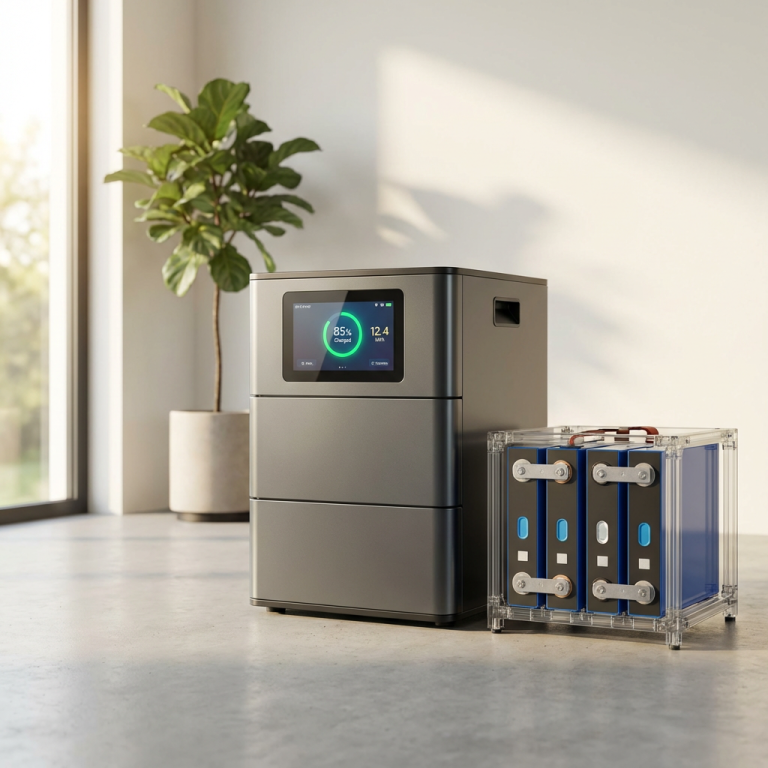
Home Battery Storage Guide: Everything You Need to Know in 2026
As energy costs continue to rise and power outages become more frequent, homeowners are increasingly turning to battery storage systems to achieve energy independence. Whether you have solar panels or simply want backup power during blackouts, understanding home battery storage is essential for making informed decisions about your energy future.
What is Home Battery Storage?
Home battery storage systems store electricity for later use, allowing you to power your home during peak demand periods, at night, or during grid outages. These systems typically use lithium-ion battery technology—the same chemistry found in electric vehicles and smartphones—due to their high energy density, long lifespan, and improving affordability.
When paired with solar panels, batteries enable you to maximize self-consumption of clean energy you generate, reducing reliance on the grid and lowering electricity bills significantly.
Key Benefits of Home Battery Systems
- Energy Independence: Reduce your dependence on utility companies and protect yourself from rising electricity rates and unexpected outages.
- Maximize Solar Investment: Store excess solar energy generated during the day for use at night, increasing your solar system’s efficiency by 30-50%.
- Backup Power Security: Keep critical appliances running during blackouts—refrigerators, lights, medical equipment, and communication devices.
- Environmental Impact: Increase your use of renewable energy and reduce your carbon footprint by storing and using clean solar power.
- Grid Services & Incentives: In many regions, utilities offer incentives or time-of-use rate savings for battery owners who participate in demand response programs.
How to Choose the Right Battery for Your Home
Selecting the ideal battery system depends on several factors:
- Capacity: Measured in kilowatt-hours (kWh), capacity determines how much energy the battery can store. Most homes need 10-20 kWh for essential backup or daily cycling.
- Power Output: Measured in kilowatts (kW), this indicates how many appliances you can run simultaneously. Higher power output means more devices can operate at once.
- Lifespan & Warranty: Look for batteries with at least 10-year warranties and 6,000+ cycle ratings for long-term value.
- Scalability: Some systems allow you to add more batteries later as your needs grow—an important consideration for future expansion.
Installation and Maintenance Tips
Professional installation is crucial for safety and optimal performance. Work with certified installers who can properly size your system, handle electrical connections, and ensure compliance with local codes. Most quality lithium batteries require minimal maintenance, but annual inspections are recommended to check connections, software updates, and overall system health.
Proper placement matters too—batteries should be installed in temperature-controlled environments (garages or utility rooms) away from direct sunlight and extreme temperatures to maximize lifespan.
Get Started with Insum Energy
Ready to take control of your home energy? At Insum Energy, we specialize in high-quality lithium battery storage solutions designed for modern homes. Our expert team will help you assess your energy needs, design the perfect system, and handle professional installation from start to finish.
Contact Insum Energy today for a free consultation and discover how home battery storage can transform your energy future.