UK G99 G98 Grid Connection: How to Certify Your Home Battery in 2026
UK G99 G98 Grid Connection: How to Certify Your Home Battery in 2026
Installing a home battery system in the UK? Understanding G99 and G98 grid connection certification is crucial for legal compliance and grid safety. This comprehensive guide walks you through the entire process.
What Are G99 and G98 Grid Connection Standards?
In the UK, any electrical generation or storage device connecting to the national grid must comply with specific engineering standards. These standards ensure grid stability, safety, and proper integration of distributed energy resources.
G99 vs G98: Understanding the Difference
- G99: Required for larger systems with generation or storage capacity exceeding 16A per phase (approximately 3.68kW). This includes most home battery systems combined with solar panels.
- G98: Applies to smaller microgeneration systems up to 16A per phase, typically smaller solar installations without significant battery storage.
For most home battery installations in 2026, G99 certification is the relevant standard. The Energy Networks Association (ENA) manages these standards, which all Distribution Network Operators (DNOs) enforce.
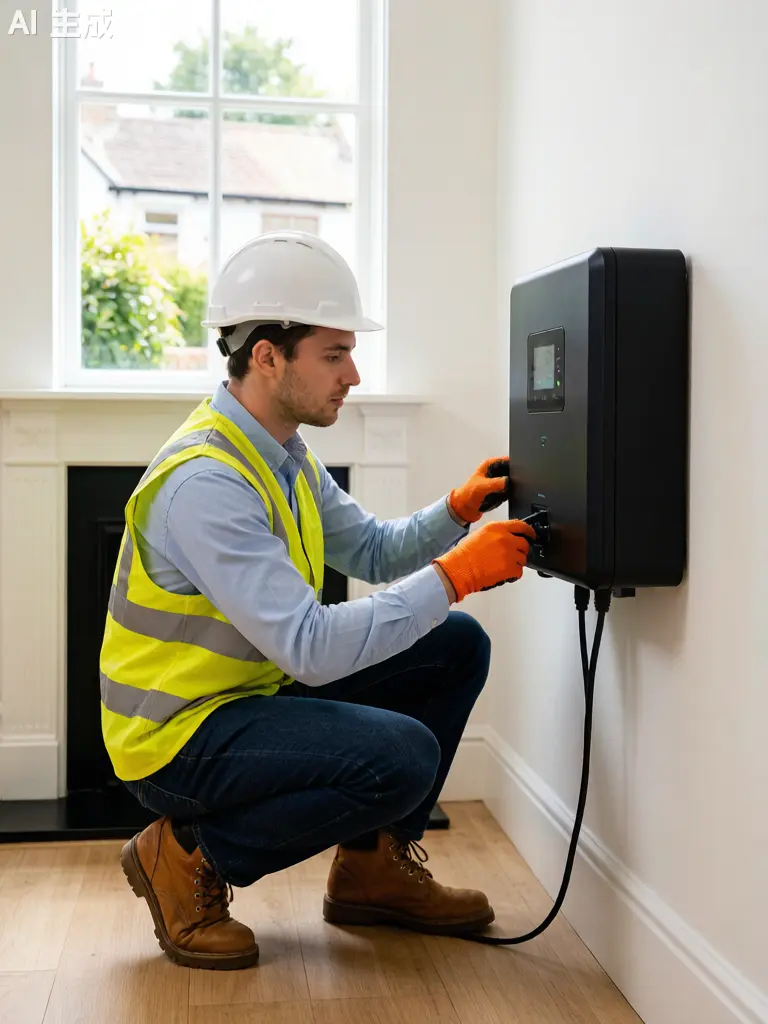
Why G99/G98 Certification Matters for Home Batteries
Legal Compliance
Installing a home battery system without proper certification is illegal and can result in:
- Fines up to £5,000 for non-compliance
- Requirement to disconnect the system
- Invalidation of home insurance policies
- Issues when selling your property
Grid Safety and Stability
Proper certification ensures your battery system:
- Doesn’t overload local grid infrastructure
- Synchronizes correctly with the grid
- Disconnects safely during power outages (preventing back-feed that could harm utility workers)
- Operates within acceptable voltage and frequency limits
Step-by-Step G99 Application Process
Step 1: Determine Your System Type
Before applying, identify whether your installation requires G99 or G98:
| System Type | Capacity | Standard Required |
|---|---|---|
| Solar only (no battery) | <3.68kW | G98 |
| Solar + small battery | <3.68kW total | G98 (usually) |
| Solar + battery | >3.68kW | G99 |
| Battery only (no solar) | >3.68kW | G99 |
| Multiple batteries | Any capacity | G99 |
Step 2: Choose a Certified Installer
Your installer must be:
- Registered with MCS (Microgeneration Certification Scheme)
- Familiar with G99 application procedures
- Able to provide all technical specifications required
Certified installers like Insum Energy have experience navigating the G99 process and can submit applications on your behalf.
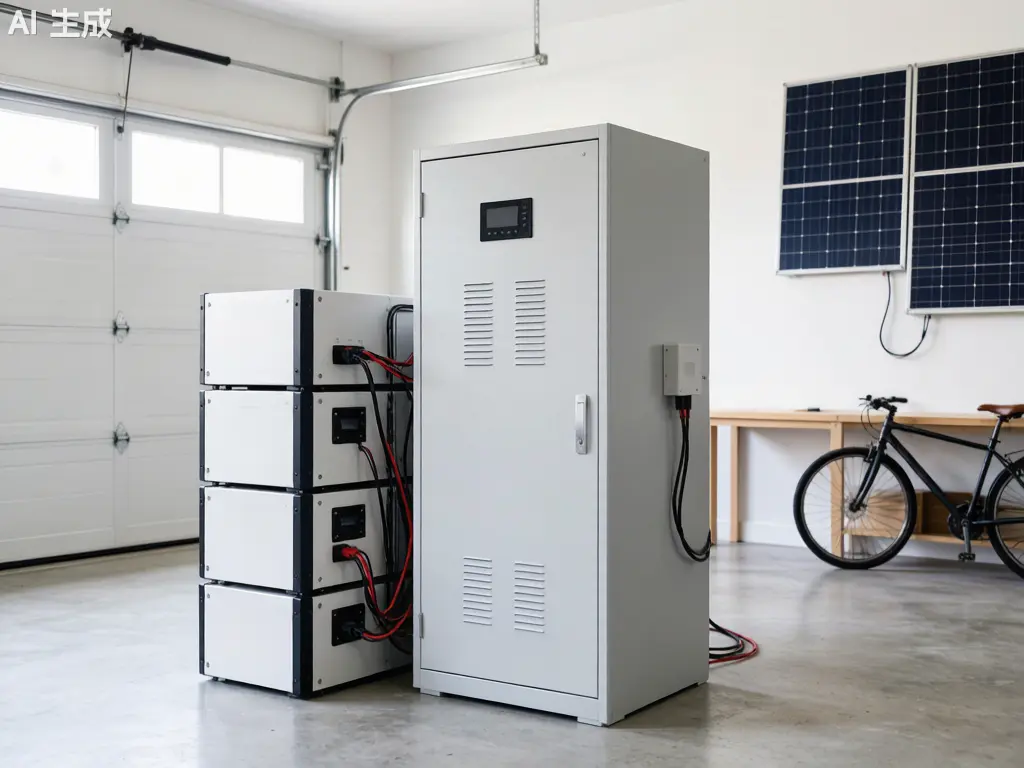
Step 3: Submit Application to Your DNO
Identify your local Distribution Network Operator:
- Western Power Distribution (South West, South Wales, Midlands)
- UK Power Networks (London, East, South East)
- Northern Powergrid (North East, Yorkshire)
- Electricity North West (North West England)
- Scottish Power Energy Networks (Scotland, North Wales)
- SSE (Scotland)
Submit your application through the ENA online portal or directly to your DNO. Processing typically takes 45-60 working days for G99 applications.
Step 4: Provide Technical Documentation
Your application must include:
- System specifications (battery capacity, inverter rating, etc.)
- Type test certificates for equipment
- Single-line electrical diagram
- Site location and existing grid connection details
- Proposed installation date
Step 5: Receive Approval and Install
Once approved, you’ll receive:
- Connection agreement from your DNO
- Specific technical requirements for your installation
- Conditions for ongoing operation
Installation can proceed only after receiving formal approval. Your installer must then submit commissioning documents within 28 days of completion.
Common G99 Application Challenges
1. Grid Capacity Constraints
In some areas, local grid infrastructure cannot support additional generation or storage capacity. Solutions include:
- Reducing system size
- Installing export limitation controls
- Waiting for grid upgrades (can take 12-18 months)
2. Incorrect Documentation
Applications are often rejected due to:
- Missing type test certificates
- Incomplete technical specifications
- Outdated forms or incorrect DNO identification
3. Timeline Underestimation
Many homeowners don’t realize G99 approval takes 45-60 working days. Plan your installation timeline accordingly, especially if you’re aiming for specific deadlines like government incentive schemes.
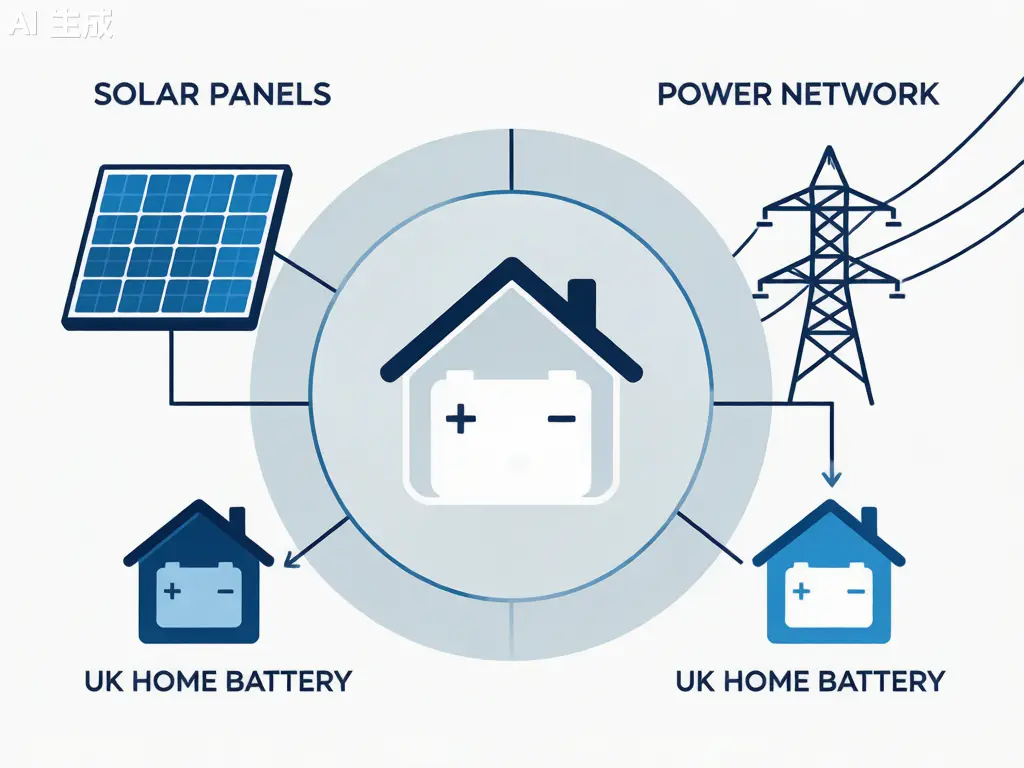
G99 vs G98: Quick Comparison
| Aspect | G98 | G99 |
|---|---|---|
| Capacity Limit | Up to 16A per phase | Above 16A per phase |
| Application Process | Simple notification | Full application required |
| Processing Time | 28 days | 45-60 working days |
| Technical Requirements | Standard equipment | Additional protection required |
| Cost | Minimal/Free | £100-£200 application fee |
| Typical Systems | Small solar only | Solar + battery, large batteries |
2026 Updates to UK Grid Connection Standards
The energy landscape in the UK is evolving rapidly. Key changes affecting home battery installations in 2026 include:
Smart Export Guarantee (SEG) Integration
G99-certified systems are eligible for SEG payments when exporting excess energy to the grid. This provides an additional revenue stream for homeowners.
Flexibility Services
DNOs are increasingly offering flexibility payments to homeowners who allow their batteries to be used for grid balancing services. G99 certification is a prerequisite for participation.
Simplified Application Process
The ENA has introduced a streamlined online portal for G99 applications, reducing paperwork and improving transparency. However, processing times remain unchanged.
Costs and Timeline Expectations
Application Costs
- G99 application fee: £100-£200 (varies by DNO)
- Installer fees for application preparation: £150-£300
- Additional technical studies (if required): £500-£2,000
Timeline Breakdown
- Initial consultation: 1-2 days
- Documentation preparation: 1-2 weeks
- DNO application processing: 45-60 working days
- Installation scheduling: 1-4 weeks after approval
- Commissioning and documentation: 1 week
Total timeline: 3-4 months from initial consultation to operational system.
Choosing the Right Equipment for G99 Compliance
Not all battery systems are created equal when it comes to grid compliance. Look for:
Certified Equipment
- Battery systems with type test certificates demonstrating compliance with G99 technical requirements
- Inverters capable of operating within UK grid parameters (230V/50Hz)
- Systems from reputable manufacturers like CATL, EVE, or REPT cells
View Insum Energy’s range of G99-compliant home battery systems
Professional Installation
Proper installation is critical for certification. Ensure your installer:
- Is MCS certified
- Provides comprehensive commissioning documentation
- Offers ongoing support for grid compliance issues
Frequently Asked Questions
Can I install a battery before getting G99 approval?
No. The battery cannot be connected to the grid until G99 approval is received and installation is completed by a certified installer.
Do I need G99 if my battery never exports to the grid?
Yes. Any storage device connected to the grid requires certification, regardless of whether it exports energy.
What happens if I buy a house with an uncertified battery?
You become responsible for the non-compliant installation. Options include applying for retrospective certification (if possible) or removing the system.
Can I speed up the G99 process?
Unfortunately, no. DNOs process applications in order received. The best strategy is to submit a complete, accurate application to avoid delays from rejections.
Conclusion: Getting Certified the Right Way
Obtaining G99 or G98 certification for your UK home battery system requires careful planning, professional installation, and patience. While the process may seem bureaucratic, it ensures grid safety and legal compliance for your investment.
By working with experienced professionals like Insum Energy, you can navigate the certification process smoothly and ensure your home battery system operates safely and efficiently for years to come.
Ready to Install Your Home Battery?
Contact Insum Energy today for a free consultation on G99-compliant home battery systems. Our team will guide you through the entire certification process and provide a customized solution for your energy needs.
Last updated: July 2026. Regulations and processes may change. Always consult with your local DNO for the most current requirements.