
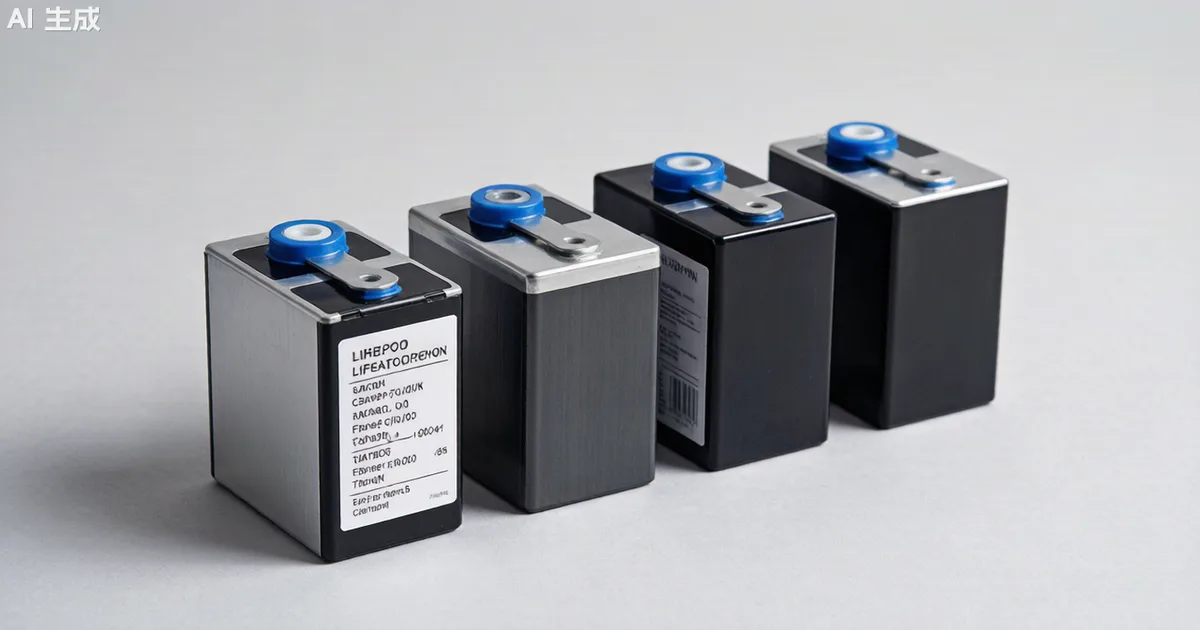
Best LiFePO4 Battery Brands 2026: EVE, CATL, REPT & Hithium
Choosing a LiFePO4 battery in 2026 is no longer just about voltage and amp-hours. The cell inside your battery matters as much as the brand on the box. The four names that dominate home and small-commercial energy storage are EVE, CATL, REPT and Hithium — but they are not interchangeable. This guide compares them head-to-head on capacity, cycle life, quality and price so you can choose with confidence.
Why the LiFePO4 Brand Choice Matters in 2026
All four manufacturers build lithium iron phosphate (LFP) cells, yet the real-world differences show up months and years into ownership:
1. Consistency Between Cells
A battery pack is only as strong as its weakest cell. Premium brands hold tighter tolerances on internal resistance and capacity, which means your BMS balances less often and your pack ages more evenly.
2. Cycle Life Translates Directly to Cost
A cell rated for 10,000 cycles delivers roughly double the usable energy of one rated for 5,000 over the system’s lifetime — often for only a modest upfront premium. In storage, lifetime cost per kWh matters more than sticker price.
3. Warranty and Traceability
Grade-A cells from a top-tier brand carry QR codes and batch traceability. That documentation protects you against the Grade-B and refurbished stock that floods discount marketplaces.
Meet the Contenders: EVE, CATL, REPT and Hithium
Before the data, here is a quick profile of each supplier and where it fits in the market.
EVE Energy
EVE is one of China’s largest cell makers and a long-time favorite of the DIY community. Its 280Ah and 314Ah prismatic cells are widely available, extremely well documented, and consistently priced, making them the default choice for self-built banks.
CATL
The world’s biggest battery manufacturer, CATL supplies automakers and premium storage OEMs. Its LFP cells are widely regarded as the quality benchmark, with conservative, reliable specifications and excellent thermal stability.
REPT (REPT Batteo)
REPT focuses on the value segment, offering 280Ah–314Ah cells that undercut premium brands while keeping respectable cycle-life figures. It is the pragmatic pick when budget is the primary constraint.
Hithium
Hithium is an energy-storage specialist rather than an EV supplier. It ships 280Ah–330Ah cells aimed squarely at home and commercial storage, with some of the longest published cycle-life ratings in the industry.
Head-to-Head Comparison
The table below summarizes typical specifications for current prismatic LFP cells. Exact figures vary by model and production batch, so treat these as representative ranges rather than guarantees.
| Brand | Flagship Prismatic Cells | Typical Capacity | Cycle Life (80% DoD) | Key Strength | Best For |
|---|---|---|---|---|---|
| EVE | 280Ah / 304Ah / 314Ah | 280–314 Ah | 6,000–8,000 | Volume, consistency, availability | DIY and value builds |
| CATL | 280Ah / 314Ah | 280–314 Ah | 6,000–10,000 | Premium quality and safety | OEM and premium systems |
| REPT | 280Ah / 300Ah / 314Ah | 280–314 Ah | 6,000–8,000 | Balanced price/performance | Mid-budget ESS |
| Hithium | 280Ah / 314Ah / 330Ah | 280–330 Ah | 8,000–10,000 | ESS specialist, long life | Home and C&I storage |
Capacity and Real-World Performance
On paper, all four brands now cluster around 280Ah–330Ah per cell, which means a 16-cell 48V rack delivers roughly 14–17 kWh. The difference is not the headline number but how well cells hold that capacity after hundreds of cycles. Independent teardown tests consistently show CATL and Hithium cells retaining capacity slightly better deep into life, while EVE and REPT stay competitive when kept within recommended temperature and depth-of-discharge limits.
Cycle Life and Long-Term Value
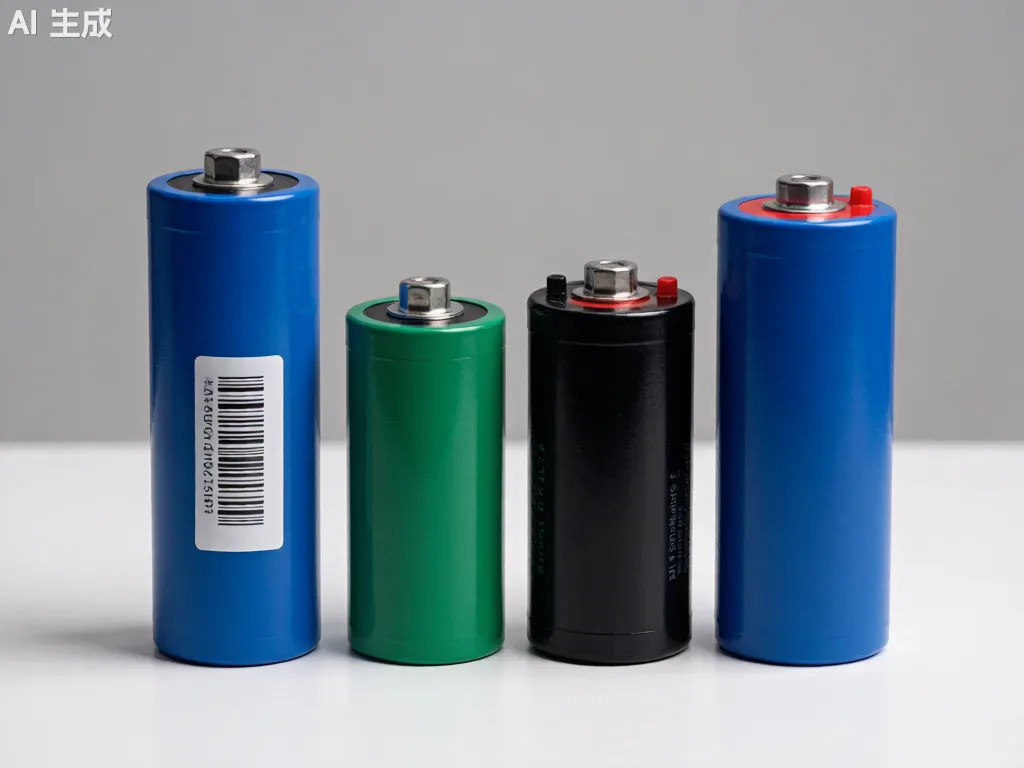
Cycle life is where marketing claims and reality diverge most. A realistic, conservative assumption is 6,000–8,000 cycles at 80% depth of discharge for EVE and REPT, and 8,000–10,000 for CATL and Hithium under similar conditions. For a typical home cycling once per day, even the lower end means 16+ years of service. The practical takeaway: if you plan to cycle the battery heavily (daily solar self-consumption or off-grid use), the longer-rated brands pay for themselves.
Price vs Performance in 2026
Cell prices fell through 2024–2025 and stabilized in 2026. Relative to each other:
- CATL commands the highest price per Ah — you pay for tier-1 consistency and safety pedigree.
- EVE sits just below CATL and is the easiest to source globally.
- Hithium prices close to EVE but leads on published longevity.
- REPT is usually the most affordable, trading a little margin on cycle life for the lowest entry cost.
For most homeowners, the sweet spot is EVE or Hithium: strong specs without the CATL premium. Buyers building a maximum-lifetime system lean CATL or Hithium; tight-budget builders choose REPT.
How to Verify You’re Getting Genuine Grade-A Cells
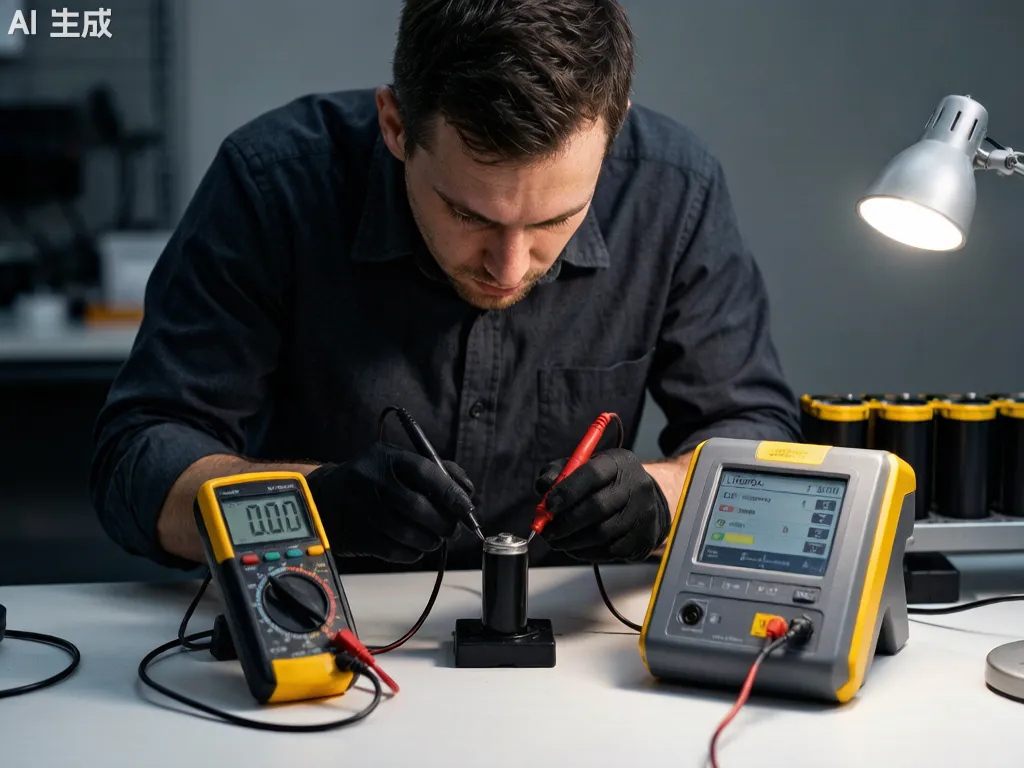
No brand comparison helps if the cells you receive are not what they claim to be. Before accepting a shipment:
- Scan the QR code and match it to the manufacturer’s batch database.
- Measure actual capacity and internal resistance with a analyzer; genuine Grade-A cells fall within tight spec windows.
- Check the date code and verify the model exists in the official catalog.
- Buy from authorized distributors, not anonymous marketplace listings.
Which Brand Should You Choose?
- Choose CATL if budget is secondary and you want the safest, most conservative tier-1 cell for a premium OEM-style build.
- Choose EVE if you want proven, easy-to-source cells for a DIY or value-conscious home bank.
- Choose Hithium if you prioritize maximum cycle life and plan heavy daily cycling for home or small-commercial storage.
- Choose REPT if upfront cost is the deciding factor and you accept a slightly shorter service life.
Build Your System With Confidence
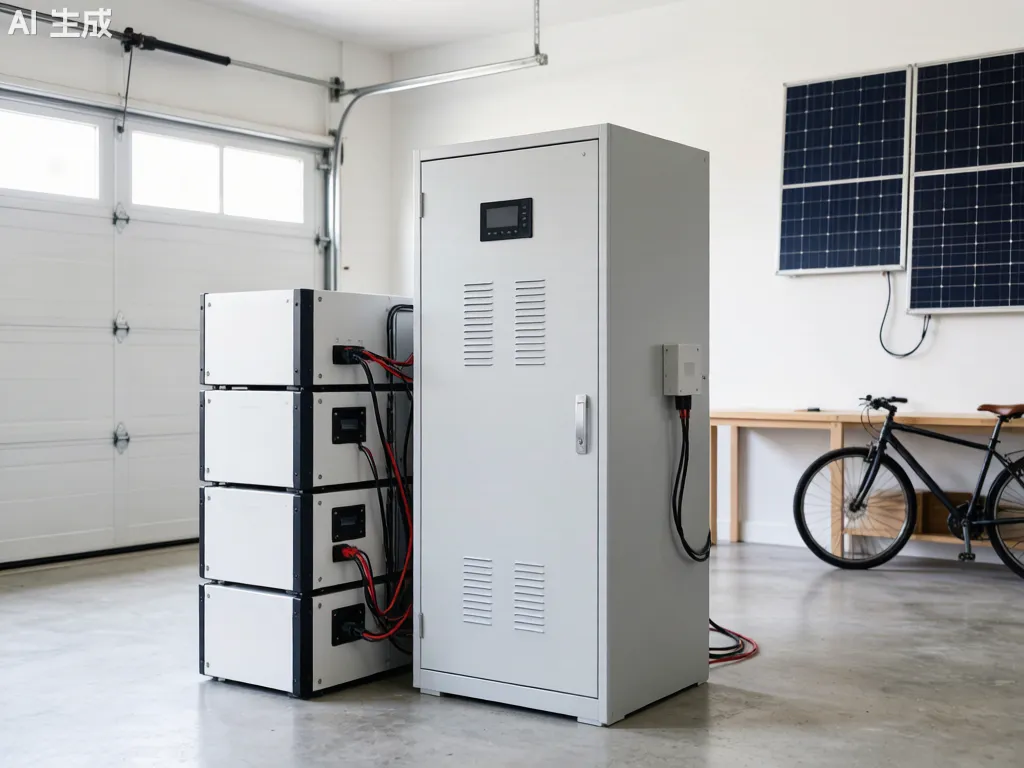
The right cell is only half the equation — the BMS, busbars, enclosure and balancing strategy determine whether that cell delivers its rated life. At Insum Energy we engineer complete storage systems around verified Grade-A cells from leading brands, and you can explore our LiFePO4 battery products to see how they are packaged for real installations. Learn more about our cell-sourcing and manufacturing process and the quality checks every pack passes.
Frequently Asked Questions
Are CATL cells worth the extra cost?
For heavy-cycling or premium builds, yes — the consistency and safety margin justify the premium. For light-cycling budget systems, EVE or REPT deliver most of the benefit at lower cost.
Is Hithium a reliable brand?
Yes. Hithium is a dedicated energy-storage manufacturer with strong tier-1 backing and some of the longest published cycle-life ratings among LFP cell makers.
Can I mix brands in one battery bank?
No. Never mix cell brands or even different batches in the same series/parallel bank; mismatched internal resistance accelerates imbalance and failure.
Ready to build your storage system? Contact Insum Energy today for a tailored quote, cell-verification support, and end-to-end engineering help — from cell selection to a safe, certified installation.



One Comment