5 Key Factors for Choosing a Home Energy Storage System in 2026
As electricity prices continue to climb and grid reliability becomes less certain, more homeowners are investing in residential energy storage systems. Whether you want backup power during outages, maximize your solar self-consumption, or gain energy independence, choosing the right battery system is a decision that deserves careful research. Here are the five most important factors to evaluate before making your purchase.
1. Battery Capacity and Usable Energy
The first question most homeowners ask is: how much energy can this battery actually store? Pay close attention to the usable capacity, not just the nominal rating. Many lithium-ion batteries only allow you to use 80–90% of their total capacity to extend cycle life. A 10 kWh battery with 90% depth of discharge (DoD) gives you 9 kWh of usable energy, while one with 80% DoD only provides 8 kWh. That difference matters when the grid goes down.
- Calculate your essential load requirements (refrigerator, lighting, internet, medical devices) before shopping
- Compare usable kWh, not total kWh, across brands
- Consider modular systems that let you add capacity later as your needs grow
2. Battery Chemistry and Safety
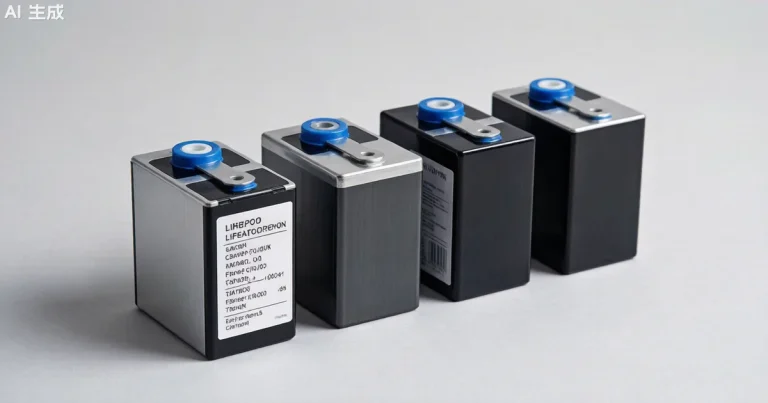
Not all lithium batteries are created equal. The two dominant chemistries in home storage are Lithium Iron Phosphate (LFP/LiFePO4) and Nickel Manganese Cobalt (NMC). LFP batteries have become the preferred choice for residential applications in 2026, and for good reason:
- Safer thermal profile — LFP cells are far more resistant to thermal runaway, reducing fire risk
- Longer cycle life — typically 6,000+ cycles vs. 2,000–3,000 for NMC, meaning a decade or more of reliable service
- No cobalt or nickel — more sustainable supply chain and lower environmental impact
- Slightly lower energy density — the main trade-off, but irrelevant for stationary home storage where space is rarely a constraint
3. Inverter Compatibility and Hybrid Systems
Your battery is only as useful as the inverter that connects it to your home. A growing number of homeowners are choosing hybrid inverters that handle both solar input and battery charge/discharge in a single unit. This simplifies installation and reduces costs. Key considerations:
- Ensure the inverter supports the battery communication protocol (CAN bus, RS485, etc.)
- Look for inverters with UPS-level switchover times (under 20 ms) if seamless backup is important
- Three-phase hybrid inverters are essential for homes with three-phase power supply
4. Smart Energy Management Features
A modern energy storage system should do more than just charge and discharge. The best systems in 2026 come with intelligent software that helps you optimize when and how you use stored energy:
- Time-of-use arbitrage — charge during off-peak hours, discharge during peak pricing to cut electricity bills
- Weather-adaptive charging — adjust solar self-consumption based on next-day forecasts
- Remote monitoring — track system performance, battery health, and savings from your phone
- Grid service participation — some utilities pay you to let them access your battery during demand peaks
5. Warranty, Support, and Total Cost of Ownership
The sticker price is just the beginning. When comparing systems, look at the total cost of ownership over 10–15 years:
- A battery that costs 20% more but lasts twice as long is the better investment
- Read warranty terms carefully — some guarantee a minimum retained capacity (e.g., 70% at 10 years), others only cover manufacturing defects
- Factor in installation costs, which can vary significantly depending on your existing electrical setup
- Choose a supplier with a proven track record — you want a company that will still be around to honor that 10-year warranty
Ready to Power Your Home Smarter?
Choosing the right home energy storage system doesn’t have to be overwhelming — but it does require understanding your own energy needs and matching them with the right technology. Whether you’re looking for a simple backup solution or a full off-grid setup, the team at Insum Energy can help you navigate the options and design a system tailored to your home.
? Contact Insum Energy today for a free consultation and discover how the right energy storage system can save you money, increase your energy independence, and give you peace of mind during power outages.