
Grade A vs. Grade B LiFePO4 Cells: The Hidden Truth Behind Battery Reliability
In the rapidly expanding market for home energy storage systems (ESS), the terminology “Grade A” and “Grade B” is frequently used but often misunderstood. For B2B purchasers and serious DIY enthusiasts, distinguishing between these grades is not just about price—it is about the long-term safety, efficiency, and return on investment of the entire energy system. At Insum Energy, we believe that transparency in cell grading is the foundation of a reliable power solution.
What Defines a Grade A Cell?
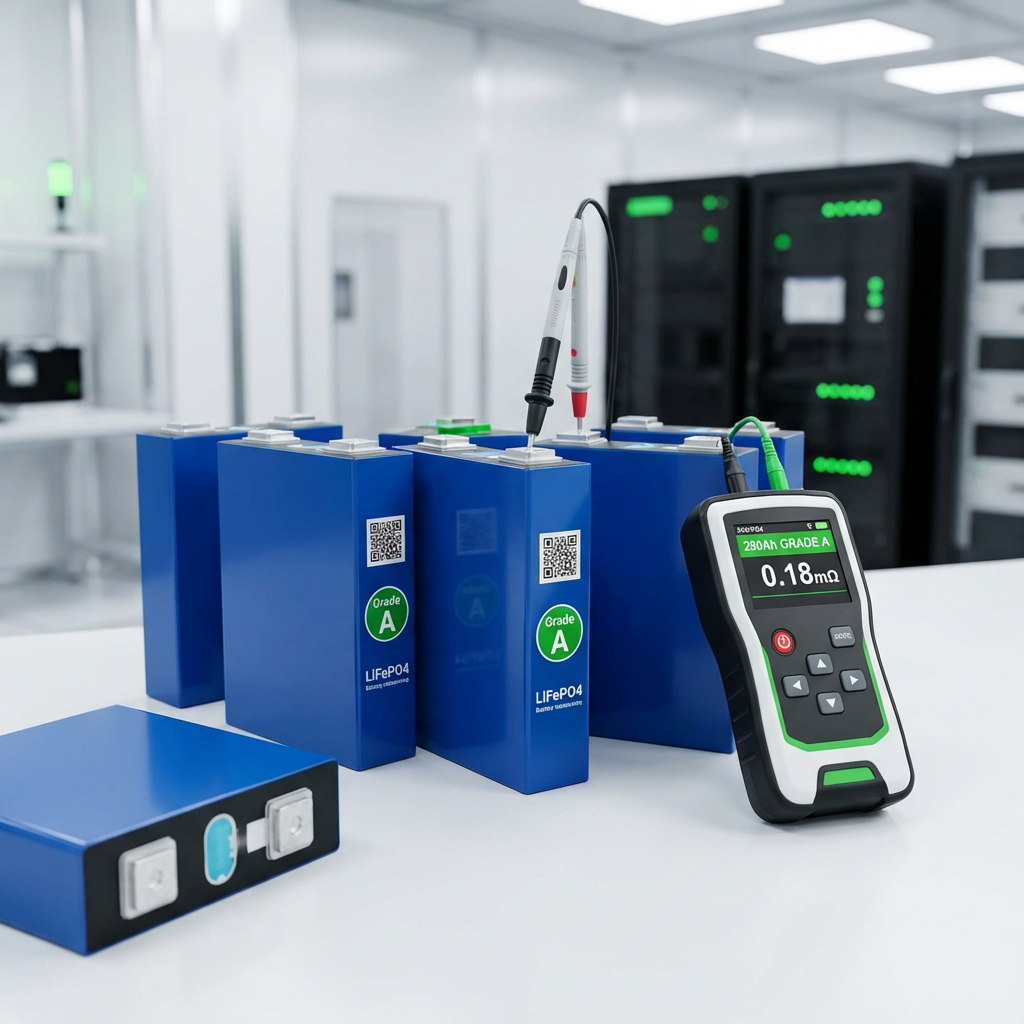
A Grade A LiFePO4 cell is a product that meets every specification set by the manufacturer during the production process. These cells are the “top-tier” output of the factory, characterized by:
- High Consistency: Grade A cells in a batch usually have a capacity tolerance of within ±2% (often as tight as 3-5Ah for a 280Ah cell).
- Low Internal Resistance (IR): Low IR ensures that the cell generates minimal heat during high-current charging and discharging, which is critical for system stability.
- Maximum Cycle Life: Genuine Grade A cells are rated for 6,000 to 8,000+ cycles at 80% Depth of Discharge (DOD), translating to 15-20 years of daily use.
The Reality of Grade B Cells
Grade B cells are not “failures,” but they do not meet the stringent requirements for Grade A classification. They are often cells that slightly missed the mark on capacity, internal resistance, or self-discharge rates.
- Performance Trade-offs: While a Grade B cell may still function perfectly in less demanding applications (like low-drain electronics), in a high-voltage 16S (48V) home storage rack, its higher internal resistance can lead to heat buildup and “cell drift.”
- Shorter Longevity: Grade B cells typically exhibit faster degradation, often providing only 50% to 70% of the cycle life of a Grade A equivalent.
Why Consistency is King in ESS
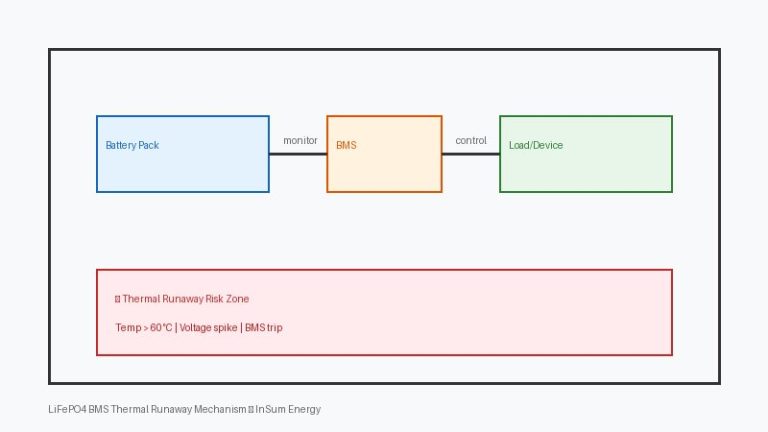
In a series-connected battery pack, the weakest cell dictates the performance of the entire system. If you mix cells with varying internal resistances or capacities (common in Grade B batches), the Battery Management System (BMS) will have to work overtime to balance the pack.
- BMS Stress: Frequent cell drift triggers the BMS protection early, prematurely cutting off charging or discharging cycles.
- Capacity Loss: A single underperforming cell can reduce the usable capacity of a 14kWh pack by 10% or more, even if the other fifteen cells are perfect.
How Manufacturers Grade Cells
The grading process occurs after a “rest” period following production. Manufacturers perform automated tests for:
- Capacity Testing: A full charge-discharge cycle to verify the exact Ah rating.
- IR Testing: Measuring resistance to ensure it falls within the milliohm (mΩ) range specified for the model.
- Appearance Check: Ensuring no scratches, swelling, or electrolyte leakage.
Conclusion: Quality You Can Trust
While Grade B cells offer a lower upfront cost, the total cost of ownership is often higher due to shorter lifespan and reduced system efficiency. At Insum Energy, we specialize in providing Grade A LiFePO4 cells that have undergone rigorous factory testing and quality control. Whether for industrial ESS or residential DIY kits, we ensure that every cell delivered is a “top-tier” component ready for decades of service.
Visit insumenergy.com to explore our certified Grade A LiFePO4 cells and professional DIY kits.
One Comment
Comments are closed.