Telecom Base Station Battery: Why Operators Are Switching to LiFePO4 in 2026
The global telecommunications industry is undergoing a quiet revolution — and it is powered by LiFePO4 batteries. As mobile networks expand into 5G and rural connectivity, the demand for reliable, cost-effective backup power at telecom base stations has never been greater. Traditional lead-acid batteries, once the standard, are being rapidly replaced by lithium iron phosphate (LiFePO4) solutions. Here is why operators are making the switch, backed by numbers, technology, and real-world impact.
The Scale of the Problem: Why Telecom Base Stations Need Better Batteries
A typical telecom base station consumes between 1.5 kW and 5 kW of power, depending on equipment load and network generation (3G/4G/5G). In many regions — particularly in developing markets — grid power is unreliable, with outages ranging from several hours a day to days at a time. For operators, every minute of downtime means lost revenue, dropped calls, and frustrated subscribers.
Historically, base stations relied on valve-regulated lead-acid (VRLA) batteries. These were cheap upfront but came with hidden costs: short cycle life (300-500 cycles at 50% depth of discharge), heavy weight, frequent replacement, and poor high-temperature performance. For a typical site requiring 48V backup, lead-acid battery banks could weigh over 500 kg and require replacement every 2-3 years.
Why LiFePO4 Is the Clear Winner for Telecom Backup Power
Insum Energy has supplied LiFePO4 battery systems to telecom operators across Europe, Southeast Asia, and Africa. Here is what makes the chemistry uniquely suited for telecom applications:
1. Superior Cycle Life Reduces Total Cost of Ownership
LiFePO4 batteries deliver 4,000-6,000 cycles at 80% depth of discharge (DoD), compared to just 300-500 cycles for lead-acid at 50% DoD. This means a LiFePO4 system lasts 8-10 years in typical telecom use — more than triple the lifespan of lead-acid. Over a decade, operators save significantly on replacement costs, labor, and logistics.
2. High Temperature Tolerance Eliminates Cooling Costs
Telecom shelters in tropical and desert climates often reach 45-55°C inside. Lead-acid batteries degrade rapidly above 35°C, requiring expensive air conditioning that adds 30-40% to site energy costs. LiFePO4 batteries operate safely from -20°C to 60°C, with minimal degradation at elevated temperatures. Operators can eliminate or reduce cooling equipment, saving thousands of kWh annually per site.
3. 70% Weight Reduction Simplifies Installation
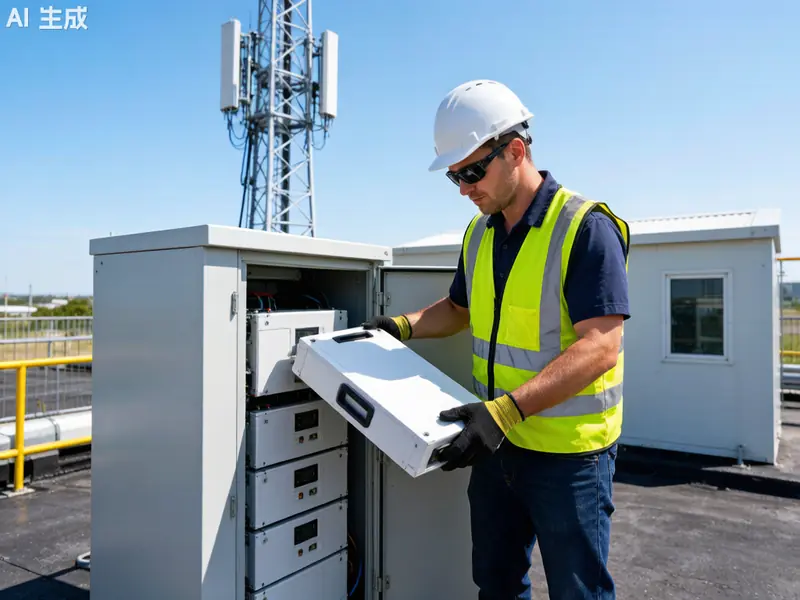
A 48V 100Ah LiFePO4 battery weighs approximately 45-50 kg. An equivalent lead-acid bank (to match usable capacity) weighs over 150 kg. For rooftop or pole-mounted sites, this weight reduction is transformative. Installation requires fewer personnel, less structural reinforcement, and can often be completed in half the time.
4. Intelligent BMS Enables Remote Monitoring
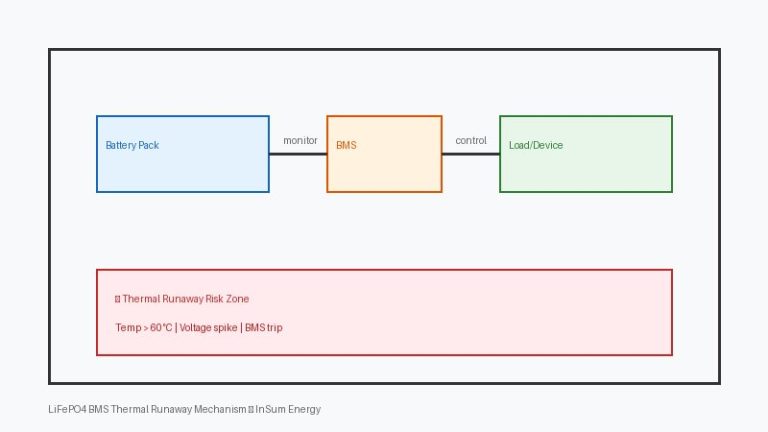
Modern LiFePO4 telecom batteries come with built-in BMS that supports RS485, CAN bus, and wireless communication. Operators can monitor voltage, temperature, SoC, and SoH in real time from a central network operations center (NOC). This reduces the need for on-site inspections and enables predictive maintenance — a game-changer for operators managing thousands of remote sites.
Head-to-Head: LiFePO4 vs Lead-Acid for Telecom
| Parameter | LiFePO4 | VRLA Lead-Acid |
|---|---|---|
| Cycle Life | 4,000-6,000 @ 80% DoD | 300-500 @ 50% DoD |
| Lifespan (years) | 8-10 | 2-3 |
| Usable Capacity | 80-90% | 50% |
| Weight (48V 100Ah usable) | ~45-50 kg | ~150-180 kg |
| Operating Temp Range | -20°C to 60°C | 15°C to 35°C |
| Energy Efficiency | > 95% | 80-85% |
| Maintenance | Zero (sealed) | Periodic watering / equalization |
| Remote Monitoring | Built-in BMS | Requires add-on system |
| 10-Year TCO per Site | ~$3,000-5,000 | ~$6,000-10,000 |
Note: TCO estimates include initial purchase, installation, replacement batteries, labor, cooling energy, and disposal costs over 10 years. Actual figures vary by region and site configuration.
Real-World Adoption: Who Is Making the Switch?
The shift is already well underway. Major operators and tower companies — including Orange, Vodafone, Airtel, and American Tower — have publicly committed to transitioning their networks to lithium-based backup power. In many cases, the driver is not just cost savings but also sustainability goals:
- Orange targets 100% renewable-powered sites by 2030, with LiFePO4 as the primary storage solution
- Vodafone reported a 35% reduction in site energy costs after switching to LiFePO4 backup
- Airtel is deploying LiFePO4 at 10,000+ rural sites in India to combat frequent grid outages
- American Tower estimates a 40% reduction in battery-related opex with lithium chemistry
For smaller telecom operators and private network operators (mining, oil and gas, railways), the business case is even clearer — fewer site visits, less cooling, and more reliable connectivity.
Key Considerations When Choosing a Telecom LiFePO4 Battery
Voltage and Capacity Matching
Most telecom base stations run on a 48V DC bus. Standard LiFePO4 telecom batteries are available in 48V 50Ah, 100Ah, 200Ah, and custom configurations. Insum Energy’s telecom battery range includes hot-swappable modules that can be paralleled for higher capacity without re-cabling.
Communication Protocol Compatibility
Ensure the battery BMS supports the protocols used by your rectifier system. Common standards include CAN bus (CANOpen, SAE J1939), RS485 (Modbus RTU), and dry contact alarms. Most modern rectifiers from Eltek, Delta, Huawei, and Vertiv support direct LiFePO4 communication. Contact Insum Energy for compatibility verification before ordering.
Certification Requirements
Telecom networks demand high reliability. Look for batteries with CE, UL, IEC 62619 (industrial lithium battery safety), and UN38.3 (transportation safety) certifications. For European operators, compliance with the EU Battery Regulation 2023/1542 is increasingly important for procurement.
Case Study: LiFePO4 Deployment at 50 Rural Sites in Southeast Asia
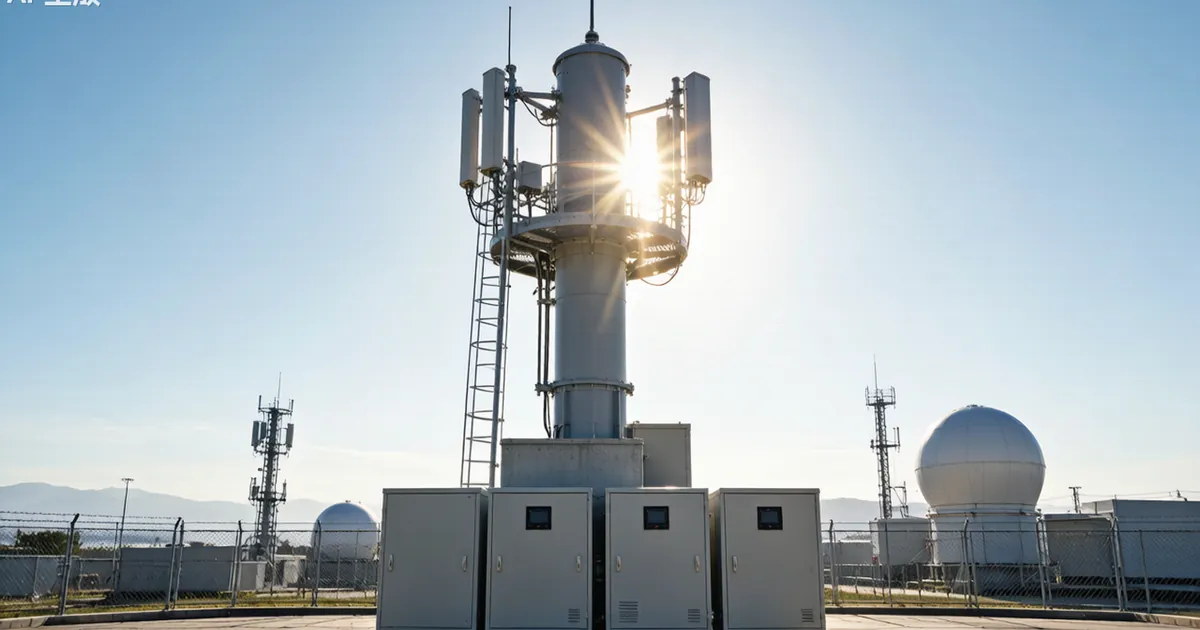
One of Insum Energy’s partners, a regional telecom operator in Southeast Asia, recently retrofitted 50 off-grid base stations from lead-acid to LiFePO4. The results over a 12-month monitoring period:
- Diesel generator runtime reduced by 60% — LiFePO4 absorbs more solar energy and stores it efficiently
- Battery-related site visits dropped from 6 per year to 1 per year — remote BMS monitoring caught issues before failures
- Average site uptime improved from 92% to 99.3% — fewer battery failures mean fewer outages
- Total site energy cost reduced by 38% — less cooling load, higher round-trip efficiency
The operator projects full payback of the battery investment within 2.3 years through opex savings alone.
The Future of Telecom Backup Power
As 5G and edge computing drive denser network infrastructure, the demand for reliable, compact, and intelligent backup power will only increase. LiFePO4 is no longer a premium alternative — it is becoming the default choice for new deployments and retrofits alike. Operators who switch early gain a competitive advantage through lower opex, higher uptime, and a smaller carbon footprint.
Get Your Telecom Battery Solution from Insum Energy
Are you evaluating LiFePO4 for your telecom base stations? Contact Insum Energy today for a free consultation, site load analysis, and customized battery system design. Our team has supplied over 50 MWh of telecom-grade energy storage to operators across 20+ countries. Let us help you make the switch.