Solar Panel String Design: How Many Panels Per String Calculator
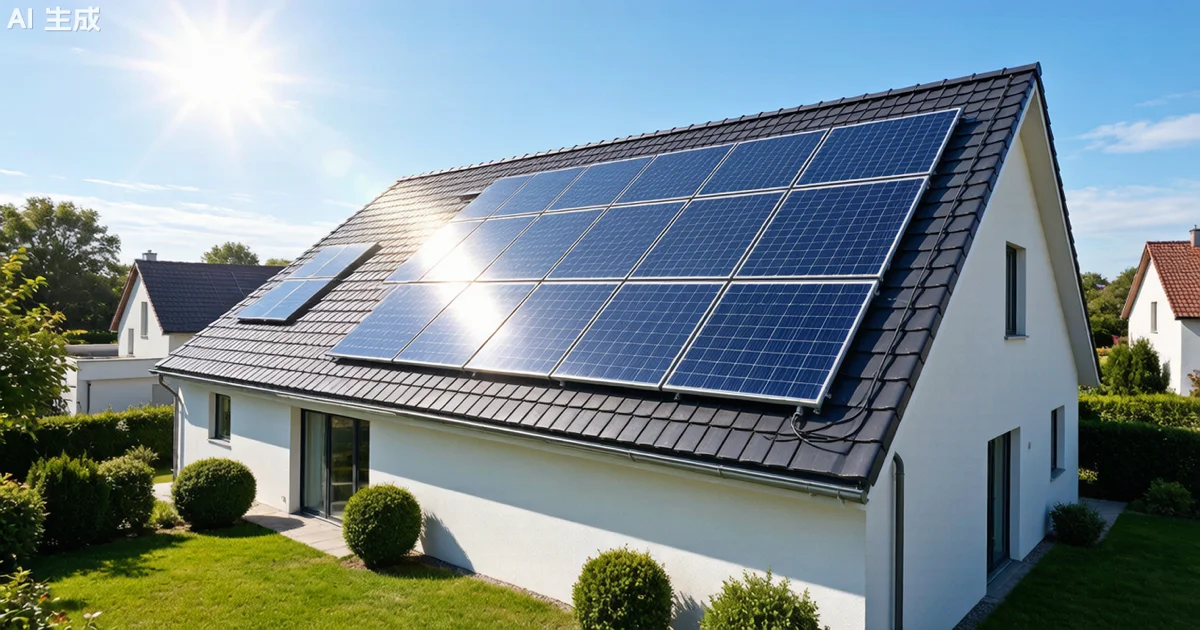
Designing your solar panel string configuration is one of the most critical steps in building an efficient solar energy system. Get it wrong, and you risk underperforming, inverter damage, or even safety hazards. Get it right, and you’ll maximize energy harvest while protecting your investment for decades.
In this comprehensive guide, we’ll walk you through the exact calculations to determine how many solar panels you can connect per string, the factors that affect string sizing, and how to optimize your design for both performance and safety. Whether you’re planning a residential solar system or a larger commercial installation, this calculator method will save you time and prevent costly mistakes.
What Is Solar Panel String Design?
A solar panel string refers to a group of solar panels connected in series. When panels are connected in series, their voltages add up while the current remains the same. This is the most common configuration for grid-tied solar systems because it allows the system to reach the higher voltages required by inverters without requiring excessively thick (and expensive) wiring.
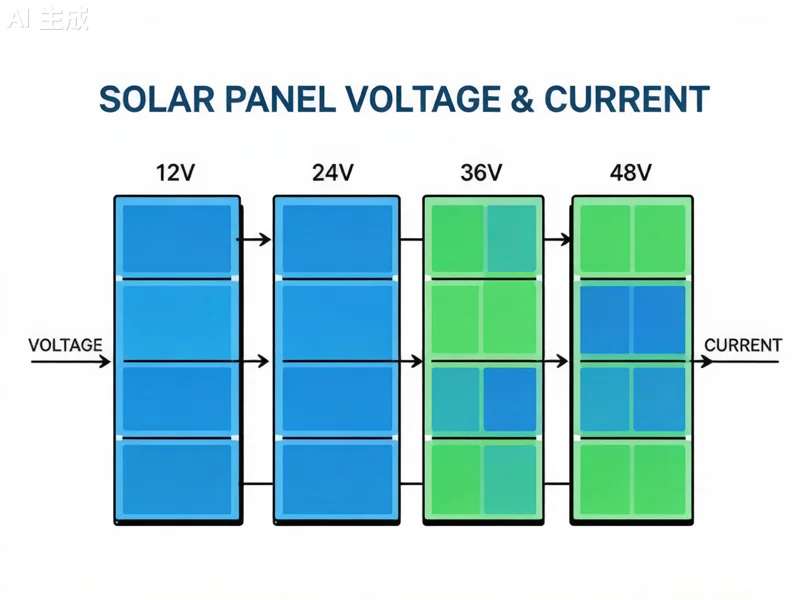
For example, if you connect 10 solar panels in series, and each panel produces 40V, your string voltage becomes 400V (10 × 40V = 400V). This higher voltage reduces current flow for the same power output, which means less energy loss in your cables and more efficient power transmission to your inverter.
Why String Design Matters: 4 Critical Reasons
- Inverter Compatibility: Every solar inverter has specific input voltage requirements (minimum and maximum). Your string voltage must fall within this range for the inverter to operate correctly and safely.
- Efficiency Optimization: Inverters operate most efficiently at certain voltage levels. Proper string design ensures you’re operating in the inverter’s “sweet spot.”
- Safety: Exceeding maximum voltage limits can damage your inverter and create fire hazards. Staying below limits while accounting for temperature variations is essential.
- System Longevity: Correctly designed strings reduce stress on components, extending the lifespan of your entire solar energy system.
How Many Panels Per String: The Calculator Method
Calculating the optimal number of panels per string requires understanding three key parameters from your solar panels and inverter:
Step 1: Gather Your Equipment Specifications
| Parameter | Where to Find It | Example Value |
|---|---|---|
| Panel Voc (Open Circuit Voltage) | Panel datasheet | 49.5V |
| Panel Vmp (Voltage at Max Power) | Panel datasheet | 41.7V |
| Temperature Coefficient of Voc | Panel datasheet | -0.27%/°C |
| Inverter Max Input Voltage | Inverter manual | 600V |
| Inverter Min MPPT Voltage | Inverter manual | 200V |
| Coldest Ambient Temperature | Local climate data | -10°C |
Step 2: Calculate Temperature-Adjusted Voc
Solar panel voltage increases as temperature drops. You must account for this to avoid exceeding your inverter’s maximum voltage on cold mornings. Here’s the formula:
Temperature-Adjusted Voc = Voc × [1 + (Temperature Coefficient × Temperature Difference)]

Example:
- Panel Voc at STC (25°C): 49.5V
- Temperature Coefficient: -0.27%/°C = -0.0027/°C
- Coldest Temperature: -10°C
- Temperature Difference: -10°C - 25°C = -35°C

Calculation:
Voc_adjusted = 49.5 × [1 + (-0.0027 × -35)]
Voc_adjusted = 49.5 × [1 + 0.0945]
Voc_adjusted = 49.5 × 1.0945
Voc_adjusted = 54.2V
Step 3: Calculate Maximum Panels Per String
Now divide your inverter’s maximum input voltage by the temperature-adjusted Voc:
Max Panels = Inverter Max Voltage ÷ Voc_adjusted

Example:
Max Panels = 600V ÷ 54.2V = 11.07

→ Round DOWN to 11 panels maximum
Always round down to ensure you stay safely below the voltage limit, even in extreme cold conditions.
Step 4: Verify Minimum Voltage Requirements
Your string must also produce enough voltage for the inverter to start and operate efficiently:
Min Panels = Inverter Min MPPT Voltage ÷ Panel Vmp

Example:
Min Panels = 200V ÷ 41.7V = 4.8

→ Round UP to 5 panels minimum
Real-World Example: 5kW Home Solar System
Let’s design strings for a typical home solar installation using popular equipment:
- Solar Panels: 440W monocrystalline (Voc: 49.5V, Vmp: 41.7V)
- Inverter: 5kW hybrid inverter (Max: 600V, Min MPPT: 200V)
- Location: Climate with winter lows of -10°C
- Total System Size: 5kW (approximately 12 panels)
Optimal String Configuration
- Maximum panels per string: 11 panels (voltage-limited)
- Minimum panels per string: 5 panels (MPPT requirement)
- Recommended configuration: 2 strings of 6 panels each (12 panels total)
This configuration provides:
- String voltage: 250V (6 × 41.7V) – well within operating range
- Good balance between strings for even production
- Safety margin for temperature variations
- Flexibility for future system expansion
5 Common Mistakes to Avoid
- Ignoring Temperature Effects: Failing to account for cold-temperature voltage increase is the #1 cause of inverter damage. Always use the temperature-adjusted Voc for string sizing.
- Using STC Values Only: Standard Test Conditions (25°C, 1000W/m²) rarely match real-world conditions. Always design for your actual climate extremes.
- Uneven String Lengths: When using multiple strings, keep them the same length to ensure balanced production and simplify monitoring.
- Forgetting Future Expansion: If you plan to add more panels later, leave room in your design for additional strings rather than maxing out current capacity.
- Skipping Voltage Verification: After installation, use a multimeter to verify actual string voltage matches your calculations before connecting to the inverter.
String Design for Different System Types
Grid-Tied Systems
Grid-tied systems typically use string inverters with 1-3 MPPT inputs. Each MPPT can handle 1-2 strings. Design strings to operate near the middle of your inverter’s voltage range for best efficiency and safety margin.
Hybrid Systems with Battery Storage
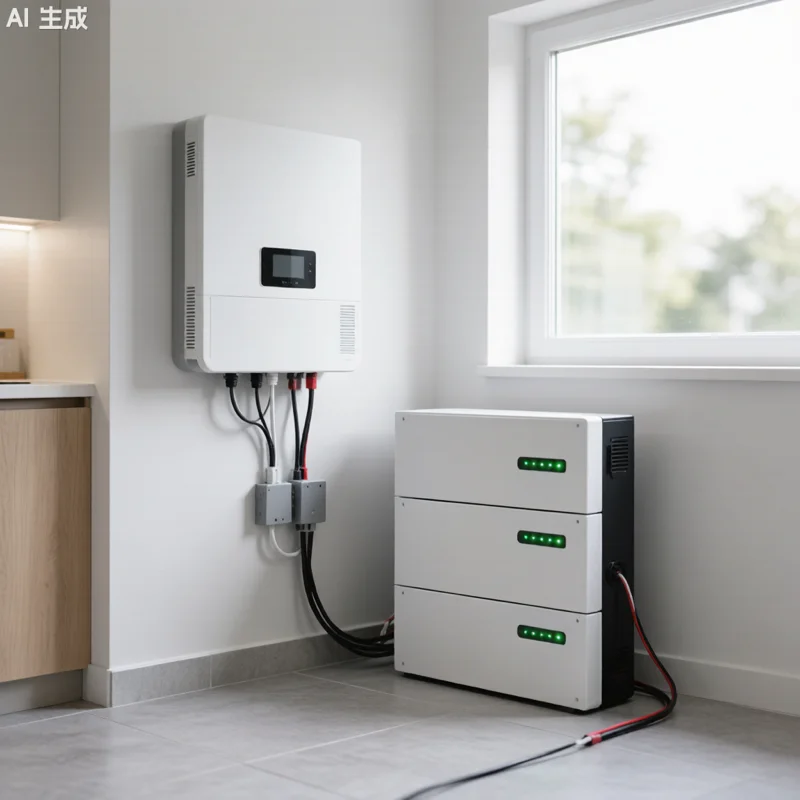
Hybrid inverters often have different voltage requirements for DC-coupled battery connections. When pairing with LiFePO4 battery storage, ensure your solar array voltage is compatible with both the inverter’s solar input and battery charging specifications.
Off-Grid Systems
Off-grid systems using charge controllers have different string design requirements. The array voltage must match the charge controller’s input range while also being appropriate for your battery bank voltage (typically 24V, 48V, or higher).
Quick Reference: String Sizing Calculator
Use this quick formula for most residential installations:
String Sizing Quick Formula:

1. Max panels = (Inverter Max V × 0.95) ÷ Voc_cold
2. Min panels = Inverter Min V ÷ Vmp
3. Optimal = Middle of the range with 10-20% safety margin

Where Voc_cold = Panel Voc × 1.10 (for moderate climates)
                    × 1.15 (for cold climates below -15°C)
Conclusion
Proper solar panel string design is fundamental to building a safe, efficient, and long-lasting solar energy system. By understanding the relationship between panel specifications, inverter requirements, and environmental factors, you can optimize your system for maximum energy production while protecting your investment.
Remember: always calculate using temperature-adjusted voltages, verify both minimum and maximum requirements, and leave safety margins for unexpected conditions. When in doubt, consult with a qualified solar installer or contact Insum Energy for professional guidance on your specific installation.
Need Help with Your Solar Project?
At Insum Energy, we specialize in designing and supplying complete solar energy solutions, from solar panels and inverters to LiFePO4 battery storage systems. Our technical team can help you calculate the optimal string configuration for your specific needs and provide all the components for a successful installation.
Contact us today for a free consultation and custom quote for your solar energy project.