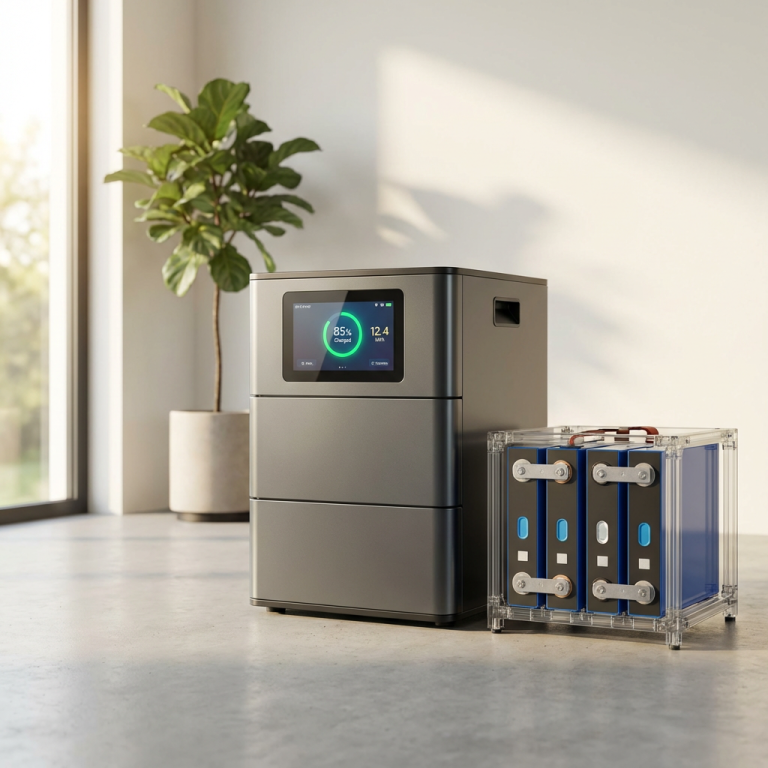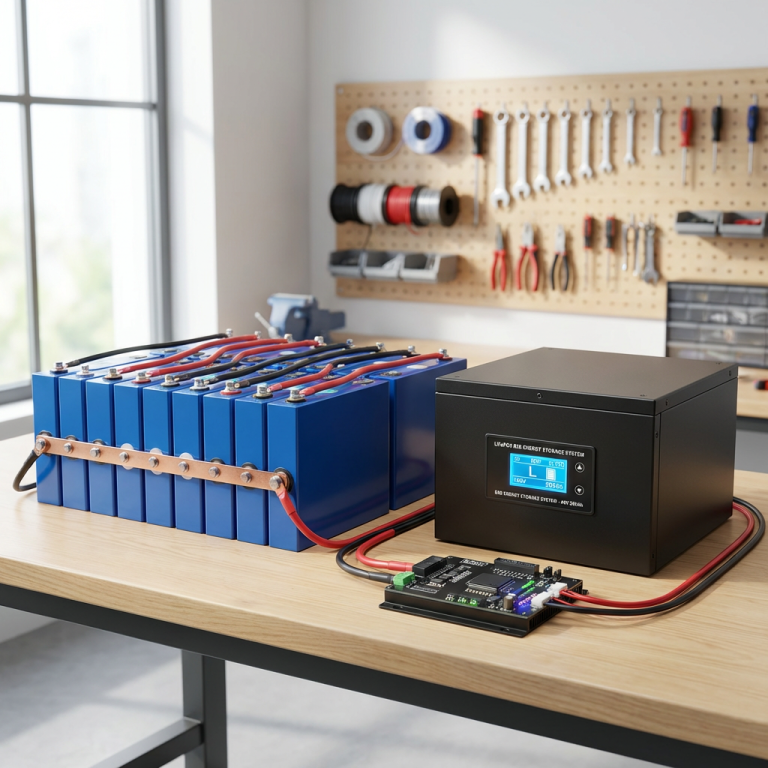
Complete Home Energy Storage Guide: How to Choose the Right Battery System for Your Solar Setup
Are you considering installing a home energy storage system? With the rising popularity of solar panels, more homeowners are looking into battery storage to maximize their energy independence. A well-designed home battery system can help you store excess solar energy during the day and use it at night, reducing your reliance on the grid and lowering your electricity bills.
At Insum Energy, we specialize in providing high-quality lithium battery solutions for residential and commercial applications. In this comprehensive guide, we’ll walk you through everything you need to know about home energy storage systems.
Why Home Energy Storage Matters
Home energy storage is no longer a luxury—it’s becoming a necessity for homeowners who want to take control of their energy usage. Here are the key benefits:
- Energy Independence: Store your solar energy and reduce grid dependence
- Cost Savings: Use stored energy during peak rate hours to save on electricity bills
- Backup Power: Keep your home powered during grid outages
- Environmental Impact: Maximize the use of clean, renewable energy
Types of Home Battery Systems
When it comes to home energy storage, there are several types of battery technologies to choose from:
- Lithium-Ion Batteries: The most popular choice for home energy storage due to their high energy density, long cycle life, and compact size. LiFePO4 (Lithium Iron Phosphate) batteries are particularly popular for their safety and longevity.
- Lead-Acid Batteries: A traditional option that’s more affordable upfront but has a shorter lifespan and lower depth of discharge compared to lithium batteries.
- Flow Batteries: An emerging technology that offers long-duration storage but is currently more expensive and less compact.
For most homeowners, lithium-ion batteries—especially LiFePO4—offer the best balance of performance, safety, and cost-effectiveness.
Key Factors to Consider When Choosing a Battery
Selecting the right battery system for your home requires careful consideration of several factors:
- Capacity: How much energy do you need to store? Calculate your daily energy usage and consider your backup power needs during outages.
- Power Rating: The maximum amount of power the battery can deliver at once. Make sure it can handle your essential appliances simultaneously.
- Depth of Discharge (DoD): The percentage of the battery’s capacity that can be used without damaging it. Higher DoD means more usable energy.
- Cycle Life: How many charge-discharge cycles the battery can handle before its capacity significantly degrades. Look for batteries with 6000+ cycles for long-term value.
- Warranty: A good warranty (10+ years) indicates the manufacturer’s confidence in their product.
- Compatibility: Ensure the battery system is compatible with your existing or planned solar inverter.
Installation and Maintenance Tips
Proper installation and maintenance are crucial for the safety and longevity of your home battery system:
- Professional Installation: Always have your battery system installed by a certified professional. Improper installation can lead to safety hazards and void warranties.
- Ventilation: Ensure the battery installation area is well-ventilated to prevent overheating.
- Regular Monitoring: Use the battery management system (BMS) to monitor battery health, state of charge, and performance metrics.
- Temperature Control: Avoid exposing batteries to extreme temperatures, which can degrade performance and lifespan.
- Periodic Inspection: Schedule annual inspections with a qualified technician to check connections, firmware updates, and overall system health.
Future of Home Energy Storage
The home energy storage market is evolving rapidly. Here are some trends to watch:
- Virtual Power Plants (VPPs): Connecting home batteries to create a distributed energy network that can support the grid during peak demand.
- Vehicle-to-Home (V2H): Using electric vehicle batteries to power your home during outages or peak hours.
- Advanced BMS: More sophisticated battery management systems that optimize charging cycles and extend battery life.
- Integration with Smart Home Systems: Seamless integration with home automation for optimized energy usage.
Conclusion
Investing in a home energy storage system is a smart decision for homeowners who want to maximize their solar investment, reduce electricity costs, and gain energy independence. By understanding the different battery technologies, key selection criteria, and proper maintenance practices, you can choose a system that meets your needs and provides reliable performance for years to come.
Learn more about our company and our mission on our About Us page.
Ready to take the next step? Contact our team today for a personalized consultation. Our experts will help you design a custom energy storage solution tailored to your home’s needs and budget. Visit our Contact page to get in touch with us.