How Lithium Battery Technology Works: A Complete Guide for Home Energy Storage
Why Lithium Batteries Dominate Home Energy Storage in 2026
Over the past decade, lithium battery technology has become the gold standard for residential energy storage systems. Unlike traditional lead-acid batteries, lithium-ion (LiFePO4) cells offer superior energy density, longer cycle life, and virtually zero maintenance — making them the ideal choice for homeowners seeking energy independence.
How Lithium Battery Cells Work
A lithium battery cell consists of four key components: a cathode (positive electrode), an anode (negative electrode), an electrolyte, and a separator. During discharge, lithium ions move from the cathode through the electrolyte to the anode, releasing electrons that flow through an external circuit. When charging, the process reverses — ions migrate back to the cathode, storing energy for later use.
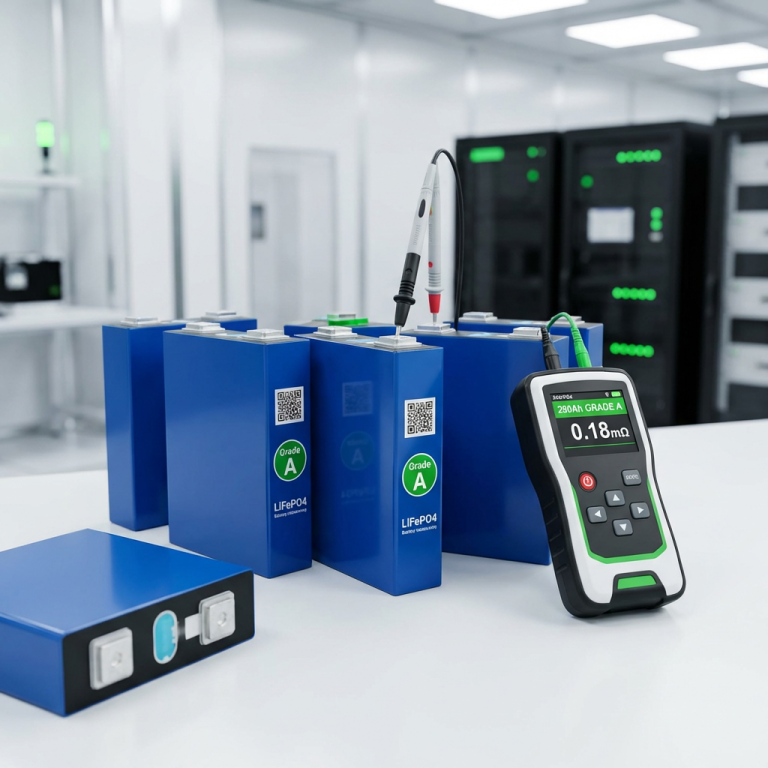
The most common chemistry used in home storage today is Lithium Iron Phosphate (LiFePO4), which provides excellent thermal stability, a lifespan of 4,000–6,000 cycles, and a safer chemistry profile compared to NMC (Nickel Manganese Cobalt) alternatives.
Key Benefits of Lithium Battery Technology for Homes
- High Efficiency: Lithium batteries deliver 90–98% round-trip efficiency, meaning minimal energy loss during each charge-discharge cycle.
- Long Cycle Life: A quality LiFePO4 system can last 15–20 years with daily use, dramatically outpacing lead-acid (2–4 years).
- Compact & Lightweight: Up to 70% lighter than lead-acid at equivalent capacity, simplifying wall-mounted installations.
- Depth of Discharge (DoD): Lithium batteries can safely use 80–100% of their rated capacity, whereas lead-acid typically limits DoD to 50% to avoid damage.
- Smart Integration: Modern lithium storage systems integrate seamlessly with solar inverters, home automation, and grid-tie setups via protocols like Modbus and CAN bus.
What to Consider Before Installing a Home Lithium Battery System
Before purchasing, assess your daily energy consumption, peak load requirements, and whether you want off-grid, hybrid, or grid-tied operation. Battery capacity is measured in kilowatt-hours (kWh) — most households need 10–20 kWh for meaningful backup coverage. Also verify that the battery is certified (UL 9540, IEC 62619) and backed by a manufacturer warranty of at least 10 years.
The Future of Lithium Technology in Home Energy
Emerging advances include solid-state lithium batteries, which promise even higher energy density and zero fire risk, as well as AI-optimized battery management systems (BMS) that learn household usage patterns to maximize self-consumption and reduce grid dependency. As utility rates rise and incentives make storage more affordable, home lithium battery adoption is projected to grow 35% annually through 2030.
Ready to power your home with clean, reliable lithium battery technology? Insum Energy designs and installs customized residential energy storage systems tailored to your consumption patterns and budget. Whether you are building a new solar-plus-storage setup or adding battery backup to an existing system, our team of certified engineers is ready to help.
Contact Insum Energy today for a free site assessment and custom quote: https://insumenergy.com/contact