
CE & UL Certification Explained: What It Means for Your LiFePO4 Battery Safety
When shopping for a LiFePO4 battery for your home, solar setup, or commercial project, two acronyms often appear on product listings and datasheets: CE and UL. But what do they actually mean? And why should you care whether a battery carries these marks?
In this guide, we break down everything you need to know about CE and UL certifications—what they test, how they differ, and how to verify that a battery genuinely meets these standards before you buy.
What Is CE Certification?
CE stands for Conformité Européenne (European Conformity). It is a regulatory marking applied to products sold within the European Economic Area (EEA), indicating that the product complies with relevant EU health, safety, and environmental directives.
For LiFePO4 batteries, the key applicable directives include:
- 2014/35/EU – Low Voltage Directive (batteries operating above 75V DC)
- 2014/30/EU – Electromagnetic Compatibility (EMC) Directive
- 2006/66/EC – Battery Directive (collection, recycling, and hazardous substance limits)
- REACH Regulation (EC 1907/2006) – Restriction of hazardous substances
- UN38.3 – UN Transport Testing for lithium batteries
A CE mark does not come from a single government body. Instead, manufacturers self-declare compliance or engage a Notified Body to test and verify the product. This is a critical distinction—CE is largely a trust-based system, and fraudulent CE marking is a known issue in some import markets.
What Is UL Certification?
UL (Underwriters Laboratories) is an independent, third-party safety testing organization founded in 1894. Unlike CE, which is a self-declaration framework, UL certification involves rigorous laboratory testing by accredited engineers.
For LiFePO4 batteries, the most relevant UL standards include:
- UL 1973 – Standard for Batteries for Use in Stationary and Motive Auxiliary Power Applications
- UL 9540 – Standard for Energy Storage Systems and Equipment
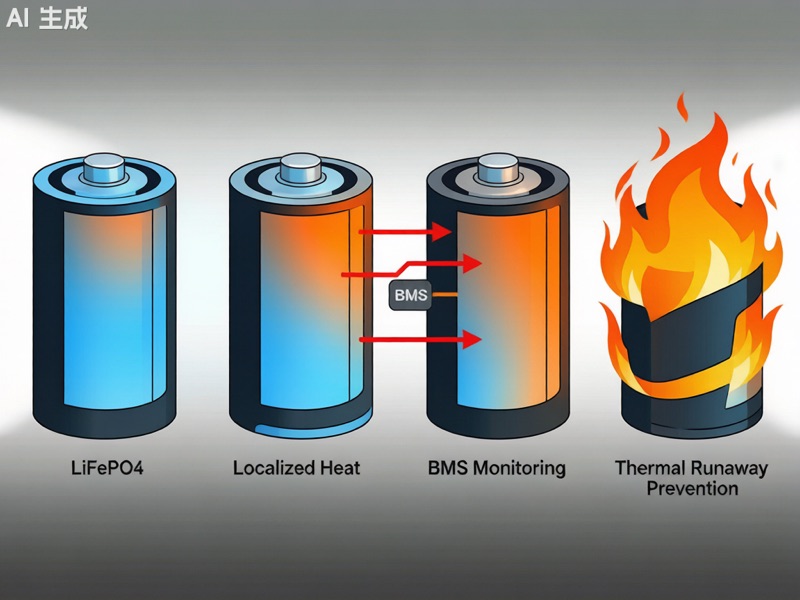
- UL 9540A – Test Method for Evaluating Thermal Runaway Fire Propagation in Battery Energy Storage Systems
- UL 2743 – Portable Power Packs and Battery Jump Starters
- IEC 62619 – Secondary lithium cells and batteries for industrial applications (often referenced alongside UL standards)
CE vs UL: Key Differences at a Glance
| Aspect | CE Marking | UL Certification |
|---|---|---|
| Region | European Economic Area | Primarily North America (US & Canada) |
| Nature | Self-declaration or Notified Body | Third-party laboratory testing |
| Governing Body | EU Commission / national authorities | Underwriters Laboratories (accredited NRTL) |
| Testing Scope | Health, safety, environmental directives | Fire safety, electrical safety, thermal runaway |
| Cost to Obtain | Lower (self-declaration possible) | Higher (independent lab testing required) |
| Fraud Risk | Moderate (unverified marking is common) | Low (public registry of certified products) |
Why Certification Matters for Your Project
1. Grid Connection Requirements
In many countries, utility companies and grid operators require certified equipment before allowing battery storage systems to be connected to the grid. In the UK, the G99/G98 engineering recommendations mandate proof of compliance. In Australia, the CEC (Clean Energy Council) maintains an approved battery list for solar installations.
2. Insurance and Liability
Homeowner’s insurance policies and commercial liability coverage often explicitly exclude damage caused by uncertified electrical equipment. If an uncertified LiFePO4 battery causes a fire, your claim may be denied. Certification provides documented proof of compliance that insurers can verify.
3. Fire Safety Compliance
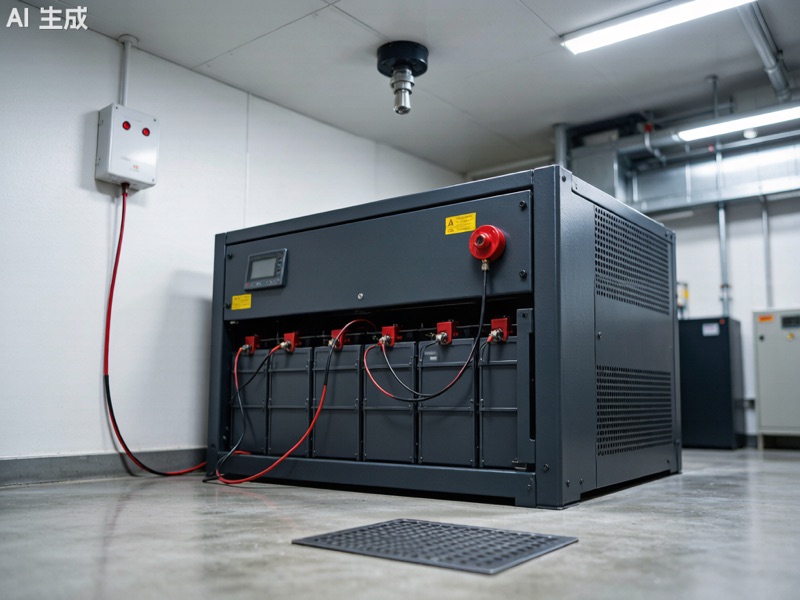
Many jurisdictions now require UL 9540A testing for residential and commercial energy storage systems. This test evaluates whether a battery system can withstand thermal runaway without propagating fire to adjacent units or the surrounding structure. Without this testing, building permits may be denied.
4. Warranty Validation
Legitimate manufacturers use certification as a baseline for honoring warranties. Using an uncertified battery—or one with fraudulent markings—typically voids the manufacturer’s warranty entirely, leaving you with no recourse if the battery fails.
How to Verify a Battery Is Actually Certified
Seeing a CE mark or UL logo on a product listing is not enough. Here’s how to verify authenticity:
- For CE: Request the Declaration of Conformity (DoC) from the manufacturer. Check that an applicable EU directive is listed and that the manufacturer is identifiable and contactable.
- For UL: Search the UL Product iQ database at ul.com/iq using the manufacturer’s name or product model. Certified products will appear with their UL file number and applicable standards.
- For UN38.3: Ask for the test summary report. Legitimate manufacturers will have transport safety test results for each battery model.
- Cross-reference the datasheet: Authentic certifications list the exact standard number (e.g., “UL 1973:2022”) and edition. Vague claims like “CE approved” without referencing a directive are a red flag.
What Insum Energy Does
At Insum Energy, every battery in our product lineup undergoes comprehensive third-party testing. Our LiFePO4 home storage systems carry both CE and UL certifications where applicable, and we maintain full test documentation for inspection by installers, inspectors, and customers worldwide.
We work directly with certified testing laboratories and Notified Bodies to ensure our products meet or exceed the latest standards for safety, performance, and environmental compliance. Our About Us page at https://www.insumenergy.com/about-us/ details our quality assurance process.
Summary: What You Should Look For
- ✅ Always ask for proof of certification, not just the logo
- ✅ Verify UL listings at ul.com/iq for North American products
- ✅ Request the Declaration of Conformity for CE-marked products
- ✅ Confirm UN38.3 transport testing for any imported lithium battery
- ✅ Check that building permits and insurance policies will accept the certification
- ✅ Choose a supplier like Insum Energy with documented compliance and transparent test reporting
Ready to Source Certified LiFePO4 Batteries?
Whether you’re an installer planning a residential retrofit or a business specifier sourcing batteries for a commercial project, Insum Energy provides fully certified products backed by technical documentation and responsive support.
Contact us today to discuss your project requirements and receive a customized quote:
📧 Email: info@insumenergy.com
🌐 Website: https://www.insumenergy.com/contact/
Our team is ready to help you choose the right certified battery solution for your home, farm, commercial facility, or industrial installation.